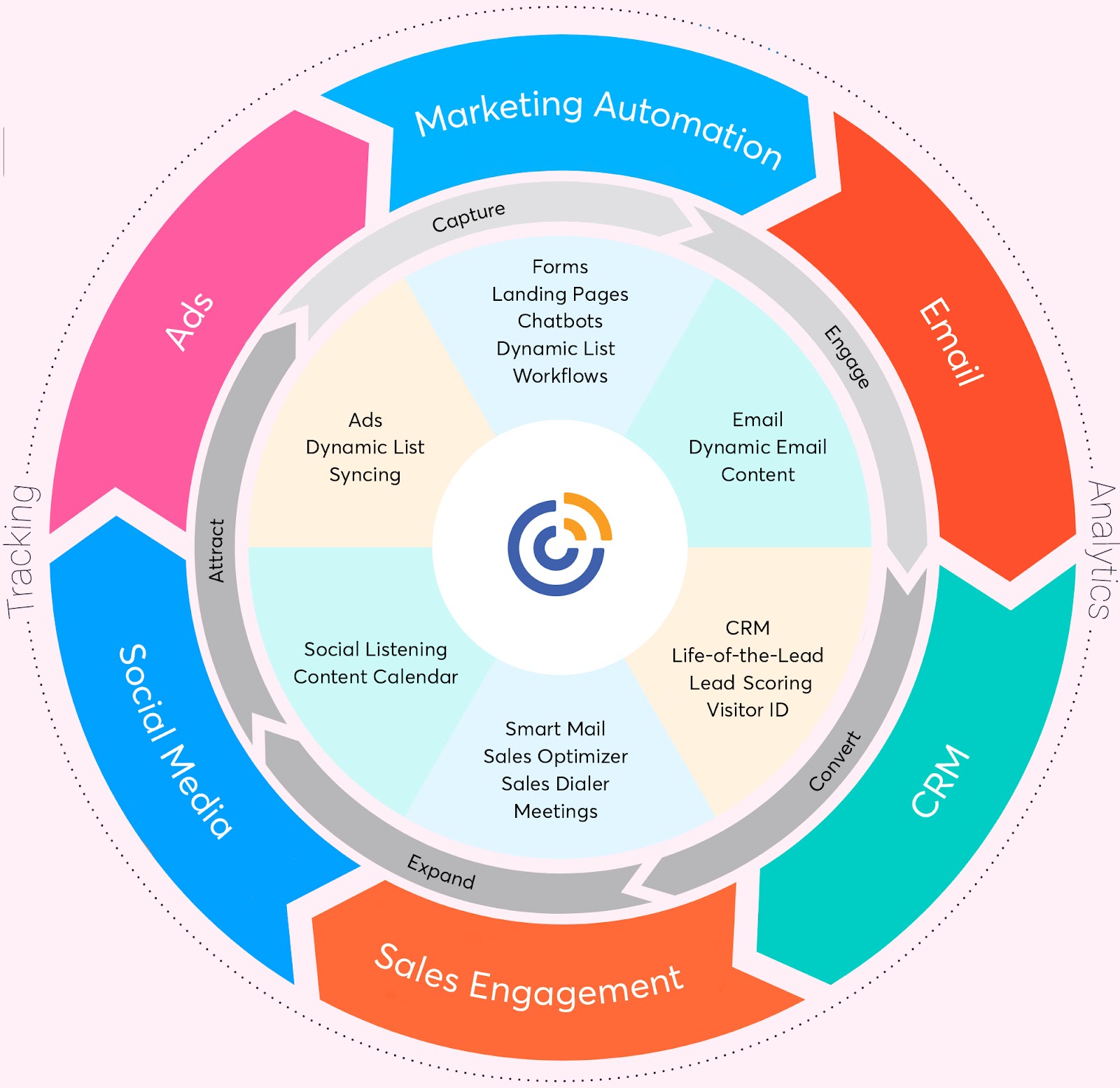
Business process automation (BPA) is the use of technology to execute recurring tasks or processes where manual effort can be replaced to increase speed and accuracy. By integrating software solutions into everyday operations, businesses can eliminate human error, reduce operational costs, and free up professional staff to focus on high-value strategic initiatives. Business process automation acts as the foundational engine for scalable growth by transforming manual workflows into predictable, data-driven systems.
Key Takeaways
- Efficiency and Accuracy: BPA reduces the time spent on repetitive tasks while nearly eliminating the risk of human error in data entry and processing.
- Strategic Resource Allocation: Automating “busy work” allows your human capital to focus on innovation, client relationships, and revenue-generating activities.
- Scalability: Automated systems allow a business to handle 10x the volume without a 10x increase in headcount or overhead.
- Unified Data: Automation provides real-time visibility into performance metrics, enabling faster and more accurate executive decision-making.
What is Business Process Automation (BPA)?
At its core, business process automation is the strategic use of technology to streamline and standardize enterprise operations. It moves beyond simple task management to handle complex, multi-step workflows across various departments. Whether it is professional services, healthcare, or finance, BPA ensures that the right information reaches the right person—or system—at the precisely right time.
Chad Crandall, Fractional CRO at Slight Edge, often emphasizes that BPA is not just about replacing humans with software; it is about augmenting the human element of a business. When manual bottlenecks are removed, the “Slight Edge” is gained through superior execution and consistency. A fractional CRO ensures that technology investments are directly mapped to revenue-generating outcomes rather than just technical convenience.
How Does AI Influence Business Process Automation?
Artificial intelligence (AI) has shifted BPA from simple “if-this-then-that” logic to intelligent decision-making. AI-driven automation tools can now analyze complex datasets to predict trends, automate nuanced customer interactions, and facilitate hyper-personalized marketing journeys.
For example, in a medical spa or professional service firm, AI-integrated automation can handle lead qualification, appointment scheduling, and post-visit follow-ups without a single manual touchpoint. This level of sophistication allows businesses to optimize their conversion funnels and capitalize on revenue opportunities that were previously lost to slow response times. However, these improvements require a cohesive strategy to prevent “automation silos” where different tools fail to communicate with one another.
What Are the Core Benefits of Automated Workflows?
Implementing automation provides several competitive advantages that are essential for long-term viability:
- Cost Reduction: By automating routine workflows, businesses can significantly lower labor costs and operational expenses, allowing those funds to be reinvested into growth.
- Enhanced Accuracy: Automated systems provide a standardized output, improving the quality of service and increasing customer trust.
- Institutional Scalability: Automation supports rapid growth, allowing businesses to handle increased workloads—such as a surge in client inquiries or transaction volume—effortlessly.
- Data-Driven Insights: BPA generates a continuous stream of operational data, offering a level of transparency into business health that manual processes cannot match.
Why Do You Need a Revenue Architect for Automation?
To capture the full value of business process automation, companies require more than just a software setup; they need strategic oversight. This is where a Revenue Architect becomes indispensable. Unlike a technical developer who focuses on whether a tool “works,” a Revenue Architect focuses on whether the tool “builds wealth.”
A Revenue Architect aligns automation with enterprise goals, ensuring that every automated step contributes to the bottom line. They serve as the bridge between sales, marketing, and operations, creating a unified ecosystem. By focusing on Key Performance Indicators (KPIs), they ensure that BPA initiatives are not just “cool tech” but are functional assets that accelerate growth and differentiate the brand in a crowded market.
The Future of Hyper-Automation
The trajectory of business technology is moving toward hyper-automation—a state where every repetitive process within an organization is identified, vetted, and automated. From AI-driven inventory management in e-commerce to automated compliance checks in finance, the possibilities are expanding.
For mid-market and small businesses, the challenge is no longer “should we automate,” but “how do we organize the automation?” Strategic guidance is the only way to navigate this landscape. Without a clear roadmap provided by an embedded growth partner, businesses risk spending thousands on “franken-systems” that create more work rather than less.
The Strategic Takeaway
The Bottom Line: Business process automation is the primary lever for moving a company from “owner-dependent” to “system-dependent” growth. When properly implemented by a Revenue Architect, BPA reduces operational friction, maximizes profit margins, and creates a scalable foundation that allows a business to outperform its competitors with less effort.
Ready to build a scalable revenue engine? Contact Chad Crandall and the Slight Edge team today to learn how an Embedded Growth Partner can automate your path to increased profitability.