Author: Chad

  • Can AI Create a Successful Business?

    Artificial Intelligence (AI) is a transformative force that has quickly become an integral component of modern business strategy. The promise of AI lies in its capacity to optimize operations, enhance customer experience, and drive innovation. Yet, the question remains: Can AI alone create a successful business? The short answer is no. A successful integration of AI into a business model calls for more than just technology—it demands strategic leadership, particularly in the form of a seasoned revenue architect.

    The Role of AI in Modern Business

    AI technology has infiltrated numerous aspects of business operations, from chatbots that streamline customer queries to advanced analytics that forecast market trends with uncanny accuracy. These applications drastically improve efficiency, reduce costs, and open new revenue streams. For example, AI’s predictive analytics can anticipate customer needs, foster personalization, and enhance marketing ROI. This level of precision allows businesses to not only meet objectives but often exceed them. However, while AI is an impressive tool, it is precisely that—a tool. Without a clear vision and a holistic strategy, AI solutions may underperform or, worse, introduce inefficiencies. This is where the expertise of a revenue architect becomes indispensable.

    Why AI Alone Isn’t Enough

    Despite its capabilities, AI lacks the nuanced understanding of business systems interconnectivity that human experts provide. AI can analyze data at scale but cannot intuitively understand the intricate balance required to sustainably grow a business. Many businesses make the mistake of treating AI as a magic wand, only to discover that technology alone cannot replace experienced leadership and strategic planning. A successful business integrates AI into a broader framework that aligns technology with business goals. A revenue architect understands this dynamic and crafts strategies that maximize AI’s potential while avoiding the common pitfalls associated with isolated technological implementations.

    The Necessity of a Revenue Architect

    A revenue architect bridges the gap between AI capabilities and business objectives. Their unique understanding of how sales, marketing, operations, and revenue interact enables them to tailor AI solutions that drive genuine business success. By leveraging their extensive experience, revenue architects can foresee potential obstacles and strategically align AI solutions to overcome them. This professional can translate complex AI functionalities into actionable insights, aligning these capabilities with key performance indicators (KPIs) and strategic business goals. In doing so, they ensure that AI does not operate in silos, but as part of an integrated system that propels the whole business.

    Holistic AI Integration

    Holistically integrating AI requires a thorough understanding of the business ecosystem. A revenue architect views AI not as separate modules, but as interconnected components that bolster each other. They foresee how AI-driven marketing, sales automations, and operational efficiencies can collectively elevate a business’s performance. This professional uses their strategic prowess to map out how AI can be seamlessly incorporated across different departments, enhancing everything from operations to customer engagement. This synchronization amplifies business outcomes, leading to substantial revenue growth, reduced inefficiencies, and improved market competitiveness.

    Building a Sustainable Business with AI

    Sustainability is key in today’s fast-evolving business landscape. AI offers opportunities for streamlined operations and improved customer insights, but these benefits must be aligned with long-term strategies. A revenue architect uses their deep industry knowledge to ensure AI applications are scalable and adaptable to ever-changing market conditions. This ensures that businesses not only achieve short-term gains but also establish a resilient framework capable of adapting to future demands. Through this approach, a revenue architect enables businesses to remain competitive while efficiently navigating changes in the technological landscape.

    Conclusion: The Strategic Edge of Revenue Architects

    In conclusion, while AI is a catalyst for business transformation, its successful deployment depends significantly on a strategic blueprint provided by a revenue architect. These professionals bring expertise that links AI to holistic business strategies, ensuring that every automated process, from marketing to operations, contributes to revenue growth and operational excellence. In the quest to create a successful business, especially in an AI-augmented environment, the guidance of a revenue architect is not just beneficial—it’s essential. By integrating AI with insightful strategy and leadership, businesses can achieve remarkable success, transforming AI from a powerful tool into an undeniable competitive advantage. Categories: AI in Business, Technology Integration, Strategic Leadership, Revenue Growth, Business Operations, Automation, Business Strategy, Digital Transformation.

  • Is RevOps a Good Career?

    The rise of the digital economy has changed the landscape of businesses across all sectors, prompting the growing need for Revenue Operations (RevOps). As companies recognize the importance of aligning sales, marketing, and customer service to drive sustainable growth, RevOps has emerged as a pivotal function. So, is RevOps a good career? Here, we dive into the elements that define its potential as a dynamic career path, and how the expertise of a revenue architect is vital to maximizing its impact.

    Understanding RevOps: A Unified Growth Engine

    At its core, RevOps is the strategic integration of various business functions to optimize revenue generation. It breaks down silos between sales, marketing, and customer success teams, promoting collaboration and efficiency. The goal is to create a seamless customer journey and leverage data-driven insights to drive revenue growth. For professionals interested in combining technological prowess with strategic acumen, RevOps offers a rich career landscape.

    Skills Required for a Successful RevOps Career

    One of the key appeals of a RevOps career is its requirement for a diverse skill set. Professionals in this field should possess a deep understanding of data analytics, be proficient in CRM platforms and automation tools, and have excellent communication skills to engage various departments. Additionally, problem-solving abilities and strategic thinking are crucial, as RevOps professionals are often responsible for aligning business strategies with revenue growth initiatives. Seasoned experts like revenue architects play an essential role in guiding RevOps professionals to connect these dots effectively.

    The Growing Demand for RevOps Professionals

    The demand for RevOps professionals is intensifying as businesses aim for enhanced revenue efficiency. This increase stems from a need to innovate sales processes and to refine marketing efforts without significantly increasing costs. The shift from traditional business structures to more agile, interconnected setups fuels this demand. Forward-thinking companies are hunting for experts who not only understand the technical components of RevOps but also the strategic interconnections between departments—areas where a revenue architect’s insights are invaluable.

    Career Advancement Opportunities in RevOps

    An enticing aspect of a RevOps career is the opportunity for advancement. As companies expand, RevOps roles evolve to include leadership positions such as RevOps Director or Chief Revenue Officer (CRO). These roles expand beyond operational tasks to shaping high-level company strategies. Leveraging the insights of a knowledgeable revenue architect could fast-track one’s career by ensuring that operational roles meaningfully impact business objectives, thus positioning professionals for leadership tracks.

    RevOps and Sustainable Business Growth

    RevOps plays a critical role in promoting sustainable business growth by ensuring all revenue-related functions are harmonized towards common goals. Businesses that effectively implement RevOps strategies benefit from improved customer experiences, increased operational efficiency, and maximized revenue streams. A revenue architect can be a vital asset here by architecting dynamic revenue engines that align with business objectives, providing an informed perspective on how to propel a company’s growth sustainably.

    Challenges and Rewards in a RevOps Career

    RevOps can be both challenging and rewarding. Professionals often deal with dynamic business environments that require flexible problem-solving and a willingness to adapt. Successfully navigating these challenges promises immense rewards in terms of career satisfaction and potential earnings. The mentorship of a skilled revenue architect can offer RevOps professionals the perspective and tools necessary to overcome silo-related roadblocks and to innovate creatively.

    The Role of AI in RevOps

    Artificial Intelligence (AI) is transforming RevOps by offering capabilities such as predictive analytics, customer personalization, and process automation. RevOps professionals who can integrate AI into their strategies provide significant value to organizations. With the intricate insights of a revenue architect, companies can deploy AI to develop powerful systems that optimize marketing and sales operations while delivering personalized customer experiences, thus streamlining revenue generation.

    Conclusion: A Promising Career Path with Strategic Support

    RevOps is undoubtedly a promising career path for those seeking to be at the forefront of transforming business operations. With its focus on unifying vital business functions and optimizing revenue processes, it offers opportunities for growth, leadership, and continued learning. The strategic guidance of a revenue architect amplifies the success potential of RevOps professionals by fostering a holistic understanding of business ecosystems. Embracing the RevOps career with the assistance of seasoned mentors can lead to an enriching professional journey with substantial impact.

  • What Are the Four Ways of Maximizing Revenue?

    Maximizing revenue is a fundamental goal for any business aiming to thrive and grow. However, achieving substantial revenue growth demands more than just increasing sales—it requires a holistic approach that integrates strategic planning, operational efficiency, and innovative technology. This article dives into the four most effective ways to maximize revenue, demonstrating why businesses of all sizes should consider the power of a revenue architect to drive success.

    1. Optimize Pricing Strategies

    Pricing strategy is pivotal in determining a business’s revenue potential. By analyzing consumer behavior, market trends, and competitive pricing, companies can tailor their pricing to demand elasticity and maximize their profit margins. Dynamic pricing, which leverages real-time data, allows for price adjustments based on current market conditions. Companies adopting this approach often experience increased flexibility and higher revenues, as it helps capture additional consumer surplus without alienating price-sensitive customers. Revenue architects can significantly enhance this process by employing AI-driven analytics to predict market changes and determine optimal pricing strategies. By embedding smart algorithms that account for competitor moves and consumer sentiment, businesses can stay ahead of the curve, resulting in higher profits and customer satisfaction.

    2. Enhance Customer Experience

    Delivering exceptional customer experiences is a high-impact strategy for boosting revenue. Happy customers are more likely to become repeat buyers and brand advocates, directly impacting a company’s bottom line. Investing in personalized experiences through customized offerings and attentive service can differentiate a business from its competitors, thus driving customer loyalty. Incorporating advanced AI-powered tools can personalize interactions and predict customer needs with remarkable accuracy. A revenue architect can design systems that automate customer interactions, ensuring seamless experiences across all touchpoints. This not only saves time and resources but also establishes a long-lasting relationship with the customer, translating into increased revenue through improved retention rates.

    3. Diversify Product and Service Offerings

    Diversifying what a business offers can open new revenue streams and reduce dependence on a single product or service line. It allows companies to tap into different markets and customer segments, mitigating risks associated with economic downturns or shifts in consumer preferences. It’s not just about expanding the product lineup but about innovating and adapting to market needs. A knowledgeable revenue architect will identify potential opportunities and align them with the company’s strengths and market gaps. By utilizing AI to analyze extensive market data, businesses can identify underserved niches and adjust their offerings accordingly. This strategic diversification not only maximizes revenue but also positions the business as a versatile leader in its field, capable of meeting a broad spectrum of consumer needs.

    4. Streamline Operations

    Operational efficiency plays a crucial role in maximising revenue. By employing technology to automate routine tasks and optimize workflows, businesses can reduce costs and enhance productivity. This, in turn, allows more resources to be allocated towards revenue-generating activities. Companies that successfully streamline their operations experience faster turnaround times and higher customer satisfaction, both of which contribute to increased revenue. Adopting AI solutions to automate and refine operations is where a revenue architect shines. These experts design systems that integrate different business functions, ensuring harmonious and efficient operations. Whether it’s through predictive analytics for inventory management or CRM systems that track and optimize sales processes, the objective is the same—boost revenue by eliminating inefficiencies.

    The Role of the Revenue Architect

    Navigating the complexities of revenue maximization necessitates a strategic approach that only a revenue architect can offer. While businesses may have access to technology and data, translating it into actionable strategies is where many falter. A revenue architect bridges this gap, aligning all aspects of the business—sales, marketing, and operations—into a cohesive, revenue-driven engine. Working closely with these experts, businesses can overcome the typical silos that hinder growth and instead leverage their combined strengths for holistic improvement. The integration of AI and strategic foresight by a revenue architect doesn’t just resolve existing challenges but anticipates future opportunities, ensuring sustainable, long-term success. The journey to maximizing revenue is not straightforward, but with a thorough understanding of pricing strategies, customer experience, product diversification, and operational efficiency, businesses can significantly enhance their revenue potential. When guided by the expertise of a revenue architect, these initiatives become even more powerful, transforming ambitions into tangible business outcomes. Categories: Revenue Optimization, Customer Experience, Business Strategy, AI and Technology, Efficiency, Pricing Strategies, Product Diversification, Business Growth.

  • What is a Fractional CRO for Startups?

    In the rapidly evolving startup landscape, steering revenue growth is a daunting challenge, often requiring seasoned expertise that burgeoning companies might not afford to employ full-time. Enter the Fractional Chief Revenue Officer (CRO)—a strategic asset adept at architecting revenue pathways with an adaptable, cost-effective approach. Understanding the role and value of a Fractional CRO can empower startups to achieve scalable growth without the financial strain of a permanent executive hire.

    Demystifying the Fractional CRO Role

    A Fractional CRO is an experienced revenue strategist who collaborates with startups on a part-time basis to drive revenue outcomes. Unlike traditional CROs who may focus predominantly on sales management, a Fractional CRO takes a holistic view, devising strategies that link sales, marketing, customer success, and operations into a unified revenue engine. This role is increasingly crucial as startups navigate competitive markets while managing tight budgets and swift scaling demands.

    Key Responsibilities of a Fractional CRO

    Fractional CROs are tasked with a diverse range of responsibilities that align with enhancing a startup’s revenue generation capabilities. These include: – **Strategic Planning**: Crafting and executing revenue strategies that align with business goals and market opportunities. This involves setting clear KPIs and ensuring every function within the startup contributes to the overarching revenue targets. – **Sales Optimization**: Identifying bottlenecks within the sales cycle and implementing workflows that boost conversion rates. This may include optimizing CRM systems, refining sales pitches, and training sales teams. – **Marketing Synergy**: Ensuring the marketing initiatives are accurately aligned with sales efforts, creating coherent campaigns that enhance brand reach and customer acquisition. – **Operational Efficiency**: Streamlining processes across departments to improve productivity, reduce costs, and ensure scalability as the startup grows.

    The Benefits of Hiring a Fractional CRO

    For many startups, the appeal of a Fractional CRO lies in the ability to access expert leadership without the substantial financial outlay of a full-time executive. Key benefits include: – **Cost-Effectiveness**: Engaging a Fractional CRO provides startups with top-tier strategic acumen without the financial commitment of full-time salary packages and benefits. – **Flexibility**: Startups can tailor the engagement level of a Fractional CRO based on evolving needs, allowing for dynamic adjustments as the business scales. – **Immediate Impact**: Leveraging an experienced revenue architect’s insights can accelerate growth trajectories and quickly remedy revenue leaks or stagnations.

    When Should Startups Consider a Fractional CRO?

    Determining the right time to bring a Fractional CRO on board can significantly impact a startup’s growth trajectory. Consider engaging a Fractional CRO when: – **Revenue Stagnation**: If revenue has plateaued and current strategies aren’t yielding new growth. – **Resource Constraints**: When existing teams lack the bandwidth or expertise to tackle complex revenue challenges. – **Preparation for Scaling**: As the startup prepares to scale operations and enter new markets, having a strategic revenue leader can ensure robust growth strategies.

    Challenges Faced by Fractional CROs

    Despite their extensive experience and strategic capabilities, Fractional CROs often encounter challenges such as integrating with existing teams or demonstrating the value of changes to stakeholders who might be resistant to new strategies. These challenges are surmounted through clear communication and aligning objectives across business units, melding strategy and execution harmoniously.

    Choosing the Right Fractional CRO

    Selecting the right Fractional CRO involves examining potential candidates for a demonstrated track record in achieving growth within similar industries. Key attributes include: – **Proven Success**: Look for CROs who have successfully guided startups through growth phases and have evidence of increased revenue performance. – **Strong Communication Skills**: Essential for aligning cross-functional teams and securing buy-in for new initiatives. – **Holistic Understanding**: A deep awareness of how different areas of the business can collaboratively impact revenue growth.

    Conclusion: The Strategic Necessity of a Revenue Architect

    The inclusion of a Fractional CRO within startup dynamics underscores the necessity of having a Revenue Architect who not only implements but dynamically engineers revenue solutions tailored to each business’s unique challenges. This strategic approach transforms isolated efforts into a cohesive, efficient engine driving sustainable growth. As the startup ecosystem continues to diversify, the demand for such strategic roles will likely rise, highlighting their indispensable value. **Categories**: Fractional CROs, Startup Strategy, Revenue Growth, Sales Optimization, Strategic Planning, Startup Operations, Cost-Effective Leadership.

  • What is a Fractional Chief Revenue Officer? A Complete Guide for SMBs

    The ROI of Fractional CRO Services

    The investment in a fractional CRO typically delivers measurable results within 30-60 days. Our clients see an average 240% ROI increase while reducing operational risk by 85%. This is achieved through:

    • Systematic process improvements that show immediate impact
    • – Revenue system fixes that plug obvious leaks in sales funnels

    Understanding the Fractional CRO Role

    A Fractional Chief Revenue Officer is a seasoned executive who provides part-time strategic revenue leadership without the full-time commitment or expense. Unlike traditional consultants who deliver reports and recommendations, a fractional CRO embeds with your team and executes alongside you, taking ownership of revenue outcomes and building systems that work.

    The fractional CRO oversees all revenue-generating activities including sales, marketing, and operations to drive measurable growth. They bring C-level expertise and proven methodologies to businesses that need strategic revenue leadership but aren’t ready for a full-time executive hire.

    Key Responsibilities of a Fractional CRO

    **Revenue Strategy Development**: Creating comprehensive revenue strategies that align with business goals and market opportunities. This includes analyzing current revenue streams, identifying growth opportunities, and developing systematic approaches to capture them.

    **Sales Process Optimization**: Implementing proven sales methodologies, improving conversion rates, and reducing sales cycle times. A fractional CRO typically helps businesses achieve 35-50% increases in conversion rates through systematic improvements.

    **Team Building and Leadership**: Using methodologies like Topgrading to build high-performance revenue teams. This includes hiring the right people, developing existing talent, and creating accountability systems that drive results.

  • What is an SMB Job?

    Small to medium-sized businesses (SMBs) are the backbone of the economy, playing a crucial role in innovation, employment, and GDP contributions worldwide. An SMB job, therefore, covers a broad spectrum of roles that facilitate the workings of these dynamic entities. This article delves into the intricacies of SMB jobs, exploring the various roles, their implications, and the vital role of a Revenue Architect in ensuring sustainable growth and efficiency.

    Understanding SMB Jobs

    SMBs typically employ fewer than 500 people and have distinct challenges compared to larger corporations. SMB jobs reflect the versatility needed in these environments, where employees often wear multiple hats due to limited resources. Key areas include finance, marketing, operations, sales, and customer service. Employees in SMBs are often adaptive, resourceful, and capable of handling diverse responsibilities.

    Key Characteristics of SMB Roles

    1. **Versatility:** Due to smaller teams, employees often multitask, which requires a flexible attitude and a wide skill set. 2. **Innovation and Creativity:** With limited resources, creativity is essential for problem-solving and optimizing operations within SMBs. 3. **Direct Impact:** Employees see tangible results of their work, providing a sense of accomplishment and contribution to the company’s success. 4. **Growth Opportunities:** SMBs offer significant career development opportunities as employees gain experience in various aspects of business operations.

    The Need for a Revenue Architect in SMBs

    A Revenue Architect plays a critical role in SMBs. Unlike traditional roles focused on specific functions, a Revenue Architect understands and interconnects the various aspects of the business—sales, marketing, operations, and finance—into an efficient and scalable system.

    Benefits of Employing a Revenue Architect

    1. **Strategic Automation:** Implementing AI-driven automation can streamline sales and marketing processes, improve customer engagement, and boost revenue. 2. **Holistic Revenue Growth:** By synchronizing departments, a Revenue Architect can facilitate seamless collaboration, improving efficiency and driving revenue growth. 3. **Operational Efficiency:** Identifying areas where AI can reduce operational costs while enhancing productivity is crucial for SMB sustainability. 4. **Data-Driven Decisions:** Utilizing data analytics to inform decisions and strategies can lead to better forecasting, pricing, and resource allocation.

    Essential Skills for an SMB Revenue Architect

    1. **Technical Expertise:** A deep understanding of AI and automation technologies is crucial for transforming business operations. 2. **Strategic Vision:** Ability to see the big picture and strategically align all elements of the business towards common goals. 3. **Communication:** Clear and effective communication skills are necessary to align stakeholders and ensure that everyone is on the same page. 4. **Leadership:** A Revenue Architect must be able to lead and inspire teams, driving change and fostering a culture of innovation.

    Conclusion

    SMB jobs are diverse and require a unique blend of skills and adaptability. A Revenue Architect stands out as a pivotal role within SMBs, capable of driving growth through strategic AI-powered solutions, integrated marketing strategies, and operational efficiencies. As small to medium-sized businesses evolve, restructuring their approach with a Revenue Architect at the helm ensures they remain competitive and achieve sustainable success. **Related Categories:** SMB Growth, Revenue Architect, AI in Business, Operational Efficiency, Strategic Marketing

  • How to Earn Money in Stock Market Using AI

    The landscape of stock market trading has evolved dramatically with the integration of Artificial Intelligence (AI). For those looking to maximize earnings in the stock market, leveraging AI-driven strategies is becoming imperative. This article delves into effective methods to earn money in the stock market using AI while underscoring the vital role of strategic guidance from a revenue architect.

    Understanding AI in Stock Market Trading

    AI algorithms are reshaping stock trading by analyzing vast datasets swiftly and more accurately than traditional methods. These algorithms identify patterns and predict market trends, enabling traders to make well-informed decisions. Unlike static models, AI systems learn and adapt over time, narrowing down predictions, and optimizing trade executions.

    Implementing AI-Driven Trading Systems

    **Algorithmic Trading**: AI algorithms facilitate algorithmic trading, executing trades at optimal points automatically. By setting predetermined criteria—such as price, timing, or quantity—AI techniques can manage trades without human intervention. This leads to minimized errors and missed opportunities. **Predictive Analytics**: AI excels at predictive analytics by processing historical data to forecast future price movements. Machine learning models consider countless variables, offering nuanced insights into potential market swings, essential for generating substantial returns.

    The Role of Machine Learning

    Machine learning forms the backbone of AI’s impact on stock trading. By developing models that can predict stock price trends and risks, machine learning algorithms upgrade trading strategies, rendering them more efficient. These models become increasingly accurate as they integrate more data, ushering in sophisticated, sustainable trading solutions.

    AI-Powered Sentiment Analysis

    AI isn’t just limited to crunching numbers. Sentiment analysis tools measure the market’s mood via social media, news articles, and other sources, offering a comprehensive market outlook. By assessing the overall sentiment, stock traders can anticipate and capitalize on market psychology, optimizing investment strategies accordingly.

    Enhancing Risk Management

    In the highly volatile environment of stock trading, risk management is critical. AI equips traders with tools to better manage risks by anticipating possible downturns and adjusting strategies accordingly. With AI detection of red flags, traders can sidestep significant losses and make more substantial gains.

    Challenges of Using AI in Stock Trading

    Despite its advantages, integrating AI into stock trading isn’t without challenges. Potential pitfalls include high initial setup costs, dependency on quality data, and the need for continuous system updates. Moreover, interpreting AI outputs requires a deep understanding of both technology and market dynamics—a gap filled by the expertise of a skilled revenue architect.

    Why a Revenue Architect is Essential

    Maximizing gains from AI trading demands more than just sophisticated algorithms; it requires a strategic approach. A revenue architect combines business acumen with technological expertise, ensuring seamless integration of AI systems with broader business objectives. By aligning AI strategies with income goals, a revenue architect can play a pivotal role in achieving elevated revenue growth.

    Driving Seamless AI Integration

    Revenue architects connect the dots between complex trading algorithms and actionable business insights. By ensuring proper alignment across sales, marketing, revenue, and operations, they develop cohesive AI-powered strategies that steer organizational success. This leads to streamlined operations, optimized opportunities, and finely-tuned AI implementation.

    Conclusion: Leveraging AI to Enhance Trading Success

    The integration of AI into stock market trading offers unparalleled opportunities to earn money with precision and efficiency. However, to fully capitalize on these benefits, strategic integration is crucial—a domain where a seasoned revenue architect proves invaluable. Their ability to bridge technology with business strategy ensures that AI investments translate into measurable, robust financial returns, setting the foundation for lasting market success. Related Categories: – AI in Finance – Stock Trading Strategies – Revenue Optimization – Algorithmic Trading – Risk Management in Stocks

  • How Are SMBs Using AI to Transform Their Business Operations?

    How Are SMBs Using AI to Transform Their Business Operations?

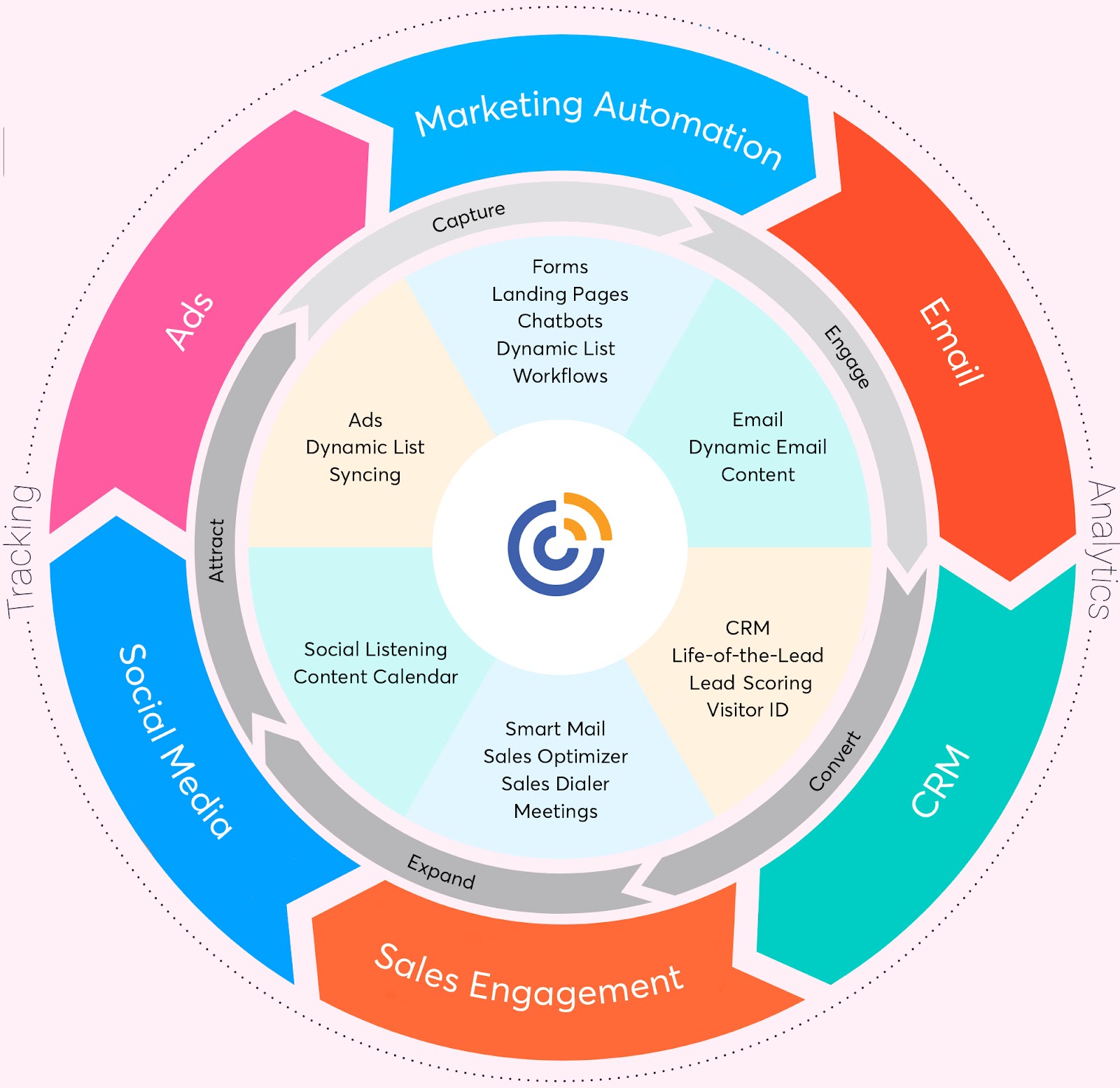
    AI-first business transformation strategy incorporating artificial intelligence into business goalsIn today’s rapidly evolving business landscape, small to medium-sized businesses (SMBs) are increasingly turning to Artificial Intelligence (AI) to revolutionize their operations and drive growth. As these enterprises seek to stay competitive, the integration of AI offers compelling advantages—from optimizing processes to enhancing customer engagement. Here’s how SMBs are leveraging AI across key areas to future-proof their operations while underscoring the necessity of having a Revenue Architect.
    Understanding AI’s Role in SMBs

    AI’s transformative power lies in its ability to process vast amounts of data, extract actionable insights, and automate repetitive tasks. For SMBs, this means the potential to scale operations efficiently without the resource overhead typical of larger enterprises. The implementation of AI technologies helps in reducing operational costs while maintaining, or even increasing, the quality of products or services offered.

    Enhancing Customer Experience with AI

    One of the most significant ways SMBs use AI is to enhance customer engagement and satisfaction. AI-powered chatbots and virtual assistants, for example, provide real-time service and support, reducing response times by up to 80%. This level of automation not only frees up valuable human resources but also ensures a consistent customer experience that can be critical in maintaining brand loyalty. Additionally, AI allows for personalized marketing strategies that increase customer conversion rates by analyzing behavioral data and delivering tailored offers.

    Streamlining Operations and Increasing Efficiency

    Operational efficiency is the backbone of any successful SMB. AI aids in streamlining workflows by integrating machine learning algorithms that can predict maintenance needs, manage inventory efficiently, and optimize supply chain logistics. With AI-driven insights, SMBs can reduce errors, cut down on waste, and ultimately lower costs by optimally aligning resources with business needs.

    Driving Revenue Growth through AI

    For SMBs aiming to boost revenue, AI offers profound advantages. By implementing AI in CRM systems, businesses can identify and predict client behavior and preferences, enabling more precise sales strategies. These smart systems can score leads effectively, improving conversion rates, and offering insights into upsell opportunities. Businesses leveraging AI for data analytics report lifting customer lifetime value by over 25%.

    Navigating Marketing and Sales Alignment

    The convergence of marketing and sales is vital for sustainable growth. Integrating AI into these functions enables SMBs to gain a holistic view of their customer journey. Predictive analytics help refine target audiences based on past interactions, while automated content delivery ensures prospects receive relevant information at the right time. This synergy not only amplifies lead generation efforts but also ensures consistent messaging throughout the customer lifecycle, fostering trust and engagement.

    The Imperative of Having a Revenue Architect

    As SMBs delve deeper into AI implementation, they face the challenge of linking AI capabilities to tangible business outcomes, a process where a Revenue Architect becomes invaluable. Revenue Architects specialize in structuring and optimizing revenue generation processes by weaving AI innovations seamlessly into the business framework. They enable organizations to leverage AI insights for strategic decision-making, ultimately driving sustainable revenue growth. A Revenue Architect draws on tools like automation, predictive modeling, and analytics not just to operate in silos but to function as part of a cohesive revenue system. Their expertise ensures that every function—sales, marketing, and operations—operates in harmony, thereby enhancing overall business performance.

    Case Study: SMB Success with AI and Strategic Planning

    Consider a growing e-commerce enterprise, which, by integrating AI with a Revenue Architect’s strategic oversight, experienced a 40% increase in leads. The business applied AI tools for customer behavior analysis, personalizing its approach while minimizing marketing spend. The Revenue Architect guided the implementation, ensuring all operational aspects, from supply chain logistics to customer service, worked in tandem. This holistic strategy allowed the business to scale without quality trade-offs while maximizing return on investment.

    Conclusion

    The adoption of AI by SMBs is more than a technological trend—it’s a strategic move towards long-term viability and competitiveness. By streamlining operations, enhancing customer experiences, and boosting revenue through intelligent solutions, SMBs can harness AI’s potential effectively. However, the key to unlocking AI’s full promise lies in strategic implementation, underscoring the critical role of a Revenue Architect. This professional embodies the fusion of enterprise-level insight and technological prowess necessary to steer any small-to-medium business toward lasting success amidst digital transformation. Related Categories: – AI Integration Strategies for SMBs – Revenue Growth through AI – Customer Engagement Automation – Operational Efficiency in Small Businesses – Marketing and Sales Automation Solutions

  • What Does Business Process Automation Do?

    What Does Business Process Automation Do?

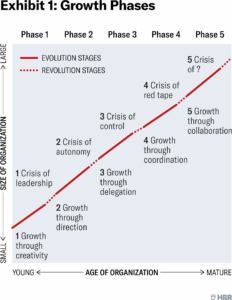
    Small business growth stages diagram showing progression from startup to established business with automation integrationBusiness process automation (BPA) is not just a buzzword; it’s a powerful driving force for organizations seeking to optimize operational efficiency, enhance productivity, and drive revenue growth. With the rise of AI and machine learning, BPA has become a strategic tool for businesses aiming to stay competitive in today’s dynamic market. This article delves into what business process automation entails, how it benefits businesses, and why employing a Revenue Architect is crucial for leveraging its full potential.
    Understanding Business Process Automation

    At its core, business process automation refers to the use of technology to execute recurring tasks or processes in a business where manual effort can be replaced. It streamlines a variety of enterprise operations, enabling companies to reduce costs, ensure accuracy, and enhance workflow efficiencies. By automating mundane and repetitive activities, businesses can redirect their human capital toward high-value tasks, fostering innovation and strategy.

    The Role of AI in Business Process Automation

    Artificial intelligence (AI) plays a pivotal role in scaling business process automation to new heights. AI-driven automation tools can analyze complex datasets to predict trends, automate customer interactions through chatbots, and even facilitate personalized marketing campaigns. This level of automation allows businesses not only to reduce errors and operational costs but also to optimize marketing strategies, skyrocketing conversions and revenue opportunities. However, these improvements don’t happen in isolation; they need to be seamlessly integrated, demonstrating the need for a skilled Revenue Architect.

    Benefits of Business Process Automation

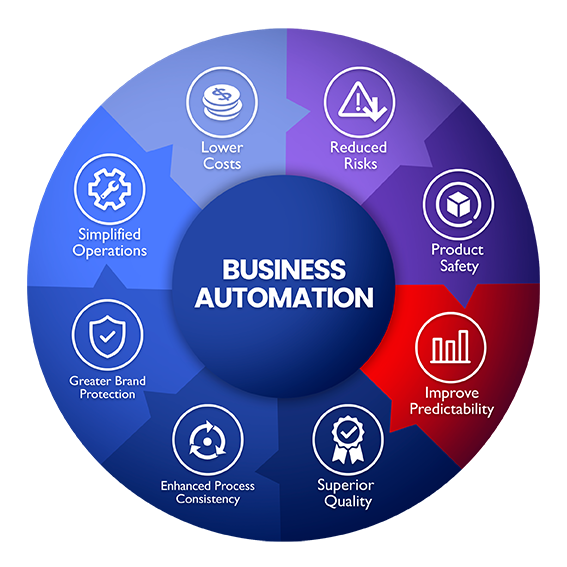
    Automating business processes brings a myriad of benefits that are crucial for sustaining competitive advantage: 1. **Enhanced Efficiency:** Automation of routine tasks reduces time spent on manual efforts, streamlining workflows, and ensuring tasks are completed quickly and accurately. 2. **Cost Reduction:** With automated processes, businesses can cut down labor costs and operational expenses, redirecting resources where they’re most impactful. 3. **Improved Accuracy:** Automated systems minimize human error, enhancing the quality of outputs and improving customer satisfaction. 4. **Scalability:** Automation supports scaling operations rapidly, allowing businesses to handle increased workloads effortlessly. 5. **Data-Driven Insights:** Business process automation generates valuable data, offering insights into operational performance and customer behaviors, which informed decision-making.

    The Strategic Importance of a Revenue Architect

    To harness the full power of business process automation, companies often require more than just technical deployment; they need strategic oversight. This is where a Revenue Architect becomes invaluable. A Revenue Architect aligns business automation with enterprise goals, ensuring that the automation efforts translate into tangible ROI. They serve as a bridge between various departments, integrating sales, marketing, revenue management, and operations under one strategic vision. Unlike technical developers who may focus solely on the functional aspects of tools, a Revenue Architect looks at the landscape holistically. They understand the interdependencies of business units and design bespoke solutions that maintain cohesion and drive optimal performance. By focusing on KPIs and revenue goals, a Revenue Architect ensures that BPA initiatives do not occur in silos but contribute to a broader business strategy, accelerating growth and competitive differentiation.

    The Future of Business Process Automation

    As technology continually evolves, so too does business process automation. Emerging technologies like AI, machine learning, and robotic process automation (RPA) broaden the possibilities for what can be automated. Future trends point towards hyper-automation, where every possible aspect of business processes is integrated and automated to optimize operations further. For businesses ready to embrace these advancements, strategic guidance is crucial. A Revenue Architect will be imperative to navigating this evolving landscape. They not only guide the implementation of cutting-edge technologies but also ensure they align with the organization’s strategic objectives. From enhancing customer engagement through AI-powered chatbots to optimizing e-commerce operations with AI-driven inventory management, their expertise is invaluable.

    Conclusion: The Necessity of a Revenue Architect

    Business process automation is a catalyst for innovation and growth, but only if it’s executed with strategic precision. For small to medium businesses aiming to outperform competitors and achieve sustained growth, the expertise of a Revenue Architect provides unmatched insights and efficiencies. Aligning technological capabilities with strategic goals ensures not only successful implementation but maximized return on investment. As businesses gear towards an automated future, a Revenue Architect’s guidance becomes not a luxury but a necessity. Related Categories: – Business Automation – Revenue Growth Strategies – AI and Machine Learning in Business – Efficiency Optimization – Strategic Business Planning

  • How AI and Automation Have a Positive Impact on Business

    How AI and Automation Have a Positive Impact on Business

    The integration of AI and automation into business operations represents a transformational shift that is fostering significant efficiency and growth. From automating mundane repetitive tasks to predicting consumer trends, AI is revolutionizing the way companies operate. Understanding the broad spectrum of benefits AI and automation offer is essential for business leaders who aim to propel their companies forward in a fast-paced digital world.

    Enhancing Operational Efficiency

    AI and automation optimize business processes by reducing time spent on manual tasks. Tasks that previously required human intervention, such as data entry and basic analytics, are now handled efficiently by AI-powered systems. This shift not only frees up valuable human resources for more strategic endeavors but also minimizes errors which can translate into significant cost savings. As revenue architects understand, streamlining operations is crucial for maximizing profitability and scaling with agility.

    Driving Revenue Growth

    With AI, businesses are leveraging insights drawn from vast datasets to identify new revenue streams and optimize existing ones. AI tools can analyze customer data to uncover rich patterns and preferences, enabling companies to tailor their offerings and marketing strategies with unprecedented precision. Tailored marketing campaigns generated via machine learning-driven insights result in higher conversion rates and significantly increased sales, showcasing the indispensable role of a revenue architect in orchestrating these revenue-enhancement strategies.

    Improving Customer Experience

    Customer experience is at the heart of business success, and AI has emerged as a powerful tool in transforming how businesses interact with consumers. Chatbots, powered by natural language processing (NLP), provide immediate customer support and personalize user interactions at scale. These AI-driven tools ensure customers receive timely assistance, enhancing satisfaction and loyalty. Moreover, automation in customer relationship management (CRM) systems harnesses AI to boost retention through tailored communication strategies and predictive analytics, contributing to long-term revenue stability.

    Enabling Agile Decision-Making

    The speed and accuracy of AI in processing information allow businesses to make better-informed decisions swiftly. Predictive analytics, a cornerstone of AI, provides enterprises with foresight into potential market shifts and consumer behavior, enabling proactive strategy adjustments. This agility positions businesses to stay competitive and responsive in rapidly changing markets. Revenue architects are particularly adept at aligning AI-driven insights with strategic goals to ensure sustained growth and operational resilience.

    Reducing Operational Costs

    By automating tasks previously performed by employees, AI helps businesses achieve significant cost reductions. For example, robotic process automation (RPA) can handle high-volume, routine tasks, enabling leadership teams to reallocate resources more strategically. As operational efficiency increases, so do profit margins—a fundamental objective for any revenue architect mapping out fiscal strategies. AI’s cost-saving benefits extend beyond staffing: it reduces downtime and waste in manufacturing through predictive maintenance, enhancing overall financial health.

    Enabling Scalability

    One of AI’s most significant advantages lies in its scalability. Automation allows businesses to handle increased workloads without a proportional rise in costs, facilitating growth without compromising quality. AI systems, when implemented strategically, can accommodate expansions in market size, product lines, or geographical presence while maintaining efficient operations. With a clear architectural vision, revenue architects utilize AI to create systems that support both current and future business ambitions.

    Revolutionizing Workforce Dynamics

    AI empowers employees by automating mundane tasks and enabling them to focus on more meaningful and complex work. By augmenting workforce capabilities, AI increases job satisfaction and productivity. Additionally, AI-driven analytics tools offer employees insights and decision support, making them more effective in their roles. A strategic revenue architect recognizes these shifts and aids in transforming the workplace environment to leverage human and digital resources harmoniously.

    Ensuring Competitive Advantage

    In the era of AI, adopting and implementing AI and automation effectively becomes a key differentiator in competitive markets. Early adopters of AI technologies often experience significant market advantages. By continuously integrating AI innovations, businesses can stay ahead of industry trends and consumer demands. Revenue architects play an essential role in ensuring that AI aligns with the long-term strategic vision, thereby solidifying a company’s market position.

    The Critical Role of a Revenue Architect

    The transformative impact of AI and automation on business underscores the need for a strategic role that bridges technology and business strategy: the Revenue Architect. Unlike traditional technical specialists, revenue architects possess a holistic view of business ecosystems, enabling them to design and implement AI strategies that drive revenue growth, operational efficiency, and customer satisfaction. Their expertise allows businesses to harness AI not just as a tool, but as a comprehensive solution that aligns with broader business objectives. By understanding the positive impacts AI and automation bring to business, decision-makers can not only meet current operational targets but also future-proof their business strategies in an evolving digital age. Categories: AI in Business, Automation, Revenue Architect, Customer Experience, Operational Efficiency, Business Strategy, Workforce Transformation, Competitive Advantage, Scalability, Cost Reduction