Category: Uncategorized

  • What Is a Business Process Walkthrough?

    A business process walkthrough is a systematic, step-by-step examination of the workflows, actions, and stakeholders involved in a specific business operation. It functions as a diagnostic audit to identify inefficiencies, eliminate redundancies, and ensure that every departmental task aligns with the organization’s overarching growth objectives. By meticulously mapping out current states, businesses can modernize legacy systems and integrate automation to drive measurable revenue growth.

    • Definition: A business process walkthrough is a structured review used to visualize and optimize the end-to-end lifecycle of a business task.
    • Objective: To uncover hidden bottlenecks, mitigate operational risks, and improve the consistency of service delivery across sectors like healthcare, finance, and professional services.
    • Strategic Impact: Organizations that utilize these audits can effectively scale operations without a linear increase in overhead costs.
    • The Specialist Role: A Revenue Architect or Fractional CRO bridges the gap between sales, marketing, and operations during a walkthrough to ensure “leaky buckets” are sealed.

    How Do You Define a Business Process Walkthrough?

    A business process walkthrough is more than a simple meeting; it is a tactical deep dive into the “how” and “why” of daily operations. Think of it as a blueprint for executive decision-making. Chad Crandall, Fractional CRO at Slight Edge, defines it as the process of isolating each touchpoint in a customer or operational journey to verify its necessity and efficiency.

    For example, in a medical spa or private equity-backed healthcare group, a walkthrough might follow a lead from the initial website inquiry through the consultation, treatment, and final billing. By documenting every decision point and hand-off, leadership can see exactly where friction occurs—such as a 24-hour delay in responding to a high-value inquiry.

    Why Is a Business Process Walkthrough Crucial for Growth?

    Modern organizations often suffer from “process debt,” where outdated methods of working slow down high-performing teams. Conducting regular walkthroughs provides several critical advantages:

    • Enhanced Clarity and Communication: Walkthroughs remove ambiguity by defining exactly who is responsible for what. This transparency reduces internal friction and fosters a culture of accountability.
    • Rapid Identification of Bottlenecks: When you scrutinize a workflow step-by-step, the “choke points” that stall revenue become obvious. Addressing these proactively prevents service disruptions.
    • Risk Mitigation: A business process walkthrough identifies points of failure before they impact the bottom line or compromise regulatory compliance. This is especially vital in highly regulated fields like finance and medicine.
    • Improved Customer Experience: Streamlined back-end processes invariably lead to faster response times and a more seamless client experience, which directly correlates to higher lifetime value (LTV).

    The Role of a Revenue Architect in Process Optimization

    While any manager can lead a meeting, a Revenue Architect brings a specialized lens to the walkthrough. Unlike traditional consultants, a Revenue Architect at Slight Edge focuses on how process improvements convert directly into top-line and bottom-line growth.

    Bridging Functional Gaps: A Revenue Architect understands that sales, marketing, and operations are not silos. They ensure that an improvement in lead intake doesn’t overwhelm the fulfillment team, creating a balanced and cohesive system. Integrating a Revenue Architect into process audits ensures that operational changes are aligned with revenue-generating outcomes.

    Applying Collaborative AI Solutions: During a walkthrough, a Revenue Architect identifies manual tasks that are ripe for automation. For instance, replacing manual data entry with AI-driven workflows can reduce administrative labor costs significantly, allowing your team to focus on high-value human interaction.

    Data-Driven Scalability: Strategic growth requires data. A walkthrough led by an Embedded Growth Partner provides the qualitative context needed to interpret quantitative data, ensuring that as you scale, your processes remain robust and repeatable.

    How to Conduct a Business Process Walkthrough in 6 Steps

    To get the most out of this exercise, follow a structured framework that encourages participation and identifies real-world solutions:

    1. Identify the Target Process: Select a high-impact workflow, such as client onboarding, billing, or lead conversion. Focus on processes that involve multiple departments.
    2. Assemble a Cross-Functional Team: Include everyone from frontline staff to executive leadership. Diverse perspectives ensure that the “theoretical” process matches the actual daily reality.
    3. Document the “As-Is” State: Use flowcharts and narratives to capture every action, decision, and software interaction. Don’t document what should happen; document what actually happens.
    4. Analyze for Friction and Redundancy: Host a collaborative session to find gaps. Ask: “Is this step necessary? Does it add value to the customer? Can it be automated?”
    5. Develop Improvement Strategies: Re-engineer the process to remove friction. This may involve implementing new technology, redefining roles, or eliminating steps that no longer serve the business.
    6. Implement, Monitor, and Iterate: Roll out changes in phases. Use key performance indicators (KPIs) to measure if the new process is faster, cheaper, or more effective than the old one.

    The Strategic Takeaway

    A business process walkthrough is the foundational tool for any organization seeking to transition from chaotic growth to predictable, scalable excellence. By systematically auditing your workflows and involving a Fractional CRO or Revenue Architect, you ensure that your operations are optimized for maximum efficiency and revenue generation. Continuous improvement is not a one-time event, but a strategic habit that separates market leaders from their competitors.

    Ready to eliminate the bottlenecks holding your revenue back? Connect with Slight Edge Sales & Consulting today to schedule a comprehensive process audit with a Fractional CRO.

  • Can AI Create a Successful Business?

    Artificial Intelligence (AI) cannot create a successful business on its own because it lacks the capacity for strategic vision, ethical judgment, and the holistic integration of complex business systems. While AI excels at data processing and task automation, a sustainable and profitable company requires a human revenue architect to align technology with specific market needs and organizational goals. AI is a high-powered engine, but it requires a human architect to build the vehicle and a strategist to navigate the road to profitability.

    Key Takeaways

    • Technology vs. Strategy: AI is a tactical tool for efficiency, but it cannot independently formulate a competitive business strategy or identify unique market gaps.
    • The Human Factor: Human leadership is essential for managing the “interconnectivity” of sales, marketing, and operations that AI often treats as isolated data points.
    • Revenue Architecture: Success depends on a “Revenue Architect” who bridges the gap between AI capabilities and sustainable financial outcomes.
    • Risk Mitigation: Without human oversight, AI-driven businesses risk operational silos, brand misalignment, and strategic drift.

    What is the Role of AI in Modern Business?

    In the current professional landscape—spanning industries from boutique med spas and healthcare clinics to finance and professional services—AI has become a fundamental component of operational excellence. It streamlines customer inquiries via sophisticated interfaces and leverages predictive analytics to forecast market trends with high precision. These applications significantly reduce overhead and uncover hidden revenue streams by personalizing the client experience at scale.

    Chad Crandall, Fractional CRO at Slight Edge, emphasizes that while predictive analytics can anticipate customer needs and enhance ROI, these tools are only as effective as the framework they inhabit. “A fractional CRO is a strategic leader who provides executive-level revenue oversight, ensuring that every piece of technology—including AI—is directly mapped to a measurable business outcome,” says Crandall. AI is an accelerant for growth, but it cannot define the direction of that growth.

    Why AI Alone Cannot Replace Strategic Leadership

    Despite its computational power, AI lacks a nuanced understanding of how different business departments impact one another. It can analyze patterns in a dataset, but it cannot intuitively grasp the delicate balance required to grow a brand’s reputation or maintain long-term client trust. Many business owners make the mistake of treating AI as a “black box” solution, only to find that disconnected automations lead to a fragmented customer journey.

    A successful business model requires a synthesis of data-driven insights and human intuition. AI can optimize an existing process, but it cannot determine if that process is the right one for the business’s long-term health. Without a master blueprint, AI implementations often result in “shiny object syndrome,” where technology adds complexity without adding equivalent value.

    How a Revenue Architect Optimizes AI Integration

    A revenue architect serves as the bridge between raw AI capabilities and executive business objectives. Their role is to ensure that sales, marketing, and operations move in a synchronized fashion. By viewing the business as an interconnected ecosystem, a revenue architect can tailor AI solutions to solve specific bottlenecks rather than applying a one-size-fits-all tool.

    This professional translates complex AI functionalities into actionable insights aligned with Key Performance Indicators (KPIs). For example, in a professional services firm, a revenue architect might implement AI to automate lead qualification, freeing up the senior team to focus on high-value relationship building. The goal of a revenue architect is to ensure AI serves the strategy, rather than the strategy serving the technology.

    What is Holistic AI Integration?

    Holistic integration means viewing AI not as a collection of separate modules, but as a unified system that bolsters the entire organization. A revenue architect maps out how AI-driven insights in marketing can inform sales tactics, and how sales data can, in turn, optimize operational delivery. This synchronization creates a feedback loop that amplifies outcomes, leading to reduced inefficiencies and a stronger competitive position in the market.

    For healthcare or fitness enterprises, this might look like using AI to predict patient or member churn, then having a strategic layer in place to trigger personalized human intervention. This marriage of tech and touch is what defines a modern, successful business.

    How to Build a Sustainable Business with AI

    Sustainability in an AI-augmented world requires a focus on scalability and adaptability. As market conditions shift, AI models must be retrained and strategies must be recalibrated. Sustainable business growth is the result of aligning scalable technology with adaptable, human-led strategic blueprints.

    A fractional CRO or revenue architect uses deep industry knowledge to ensure that AI applications are not just short-term fixes but are resilient enough to handle future market volatility. This foresight allows businesses to ignore passing fads and focus on technological investments that provide a lasting “Slight Edge” over the competition.

    The Strategic Takeaway

    The Bottom Line: While AI is a transformative tool for data processing and automation, it cannot replace the strategic vision of a human leader. To build a successful business, you must pair AI’s efficiency with the expertise of a revenue architect who can integrate these tools into a holistic, revenue-generating machine. Strategic leadership is the missing link that transforms AI from an expense into a competitive advantage.

    Ready to optimize your business for the AI era with a seasoned revenue architect? Contact Chad Crandall and the team at Slight Edge Sales & Consulting today.

  • Is RevOps a Good Career? Salary, Skills, and Growth Potential

    Revenue Operations (RevOps) is an exceptional career choice for professionals who enjoy blending data analytics, technology, and business strategy to drive measurable growth. As companies shift away from siloed departments toward integrated growth models, RevOps professionals command high salaries and have a clear path to executive leadership roles such as Chief Revenue Officer (CRO). RevOps is currently one of the fastest-growing strategic functions in the corporate world, offering high job security and significant upwards mobility.

    Key Takeaways

    • High Demand: RevOps roles have seen triple-digit growth as businesses prioritize efficiency over “growth at all costs.”
    • Strategic Impact: Beyond administrative tasks, RevOps professionals act as “Revenue Architects,” designing the systems that power the entire business.
    • Diverse Skill Set: Success requires a mix of technical CRM proficiency, data storytelling, and cross-functional leadership.
    • Executive Path: RevOps is a primary feeder for the Chief Revenue Officer (CRO) position, providing a seat at the leadership table.

    What is RevOps and why is it a top career choice?

    Revenue Operations (RevOps) is the strategic integration of sales, marketing, and customer success operations to provide a single, end-to-end view of the customer journey. By breaking down the traditional silos that separate these departments, RevOps ensures that data flows seamlessly across the organization, allowing for more predictable revenue growth.

    For professionals, this field offers a unique vantage point: you aren’t just working in the business; you are working on the business. As Chad Crandall, Fractional CRO at Slight Edge, often notes, “The most valuable asset in a modern company is the professional who can connect the dots between customer data and bottom-line growth.” This strategic importance makes RevOps a high-impact, high-visibility career path across industries ranging from healthcare and med spas to professional services and finance.

    What skills are required for a successful RevOps career?

    Because RevOps sits at the intersection of various departments, it requires a “T-shaped” skill set—deep expertise in data and technology combined with a broad understanding of business operations. Key requirements include:

    • Data Analytics: The ability to translate raw data into actionable insights for the executive team.
    • Tech Stack Mastery: Proficiency in CRM platforms (like HubSpot or Salesforce) and automation tools.
    • Strategic Thinking: Designing processes that align sales incentives with marketing efforts and customer retention.
    • Communication: The interpersonal skills to manage change and align department heads with different priorities.

    A successful RevOps professional acts as a revenue architect, building the infrastructure that allows every other team to perform at their peak.

    How much do RevOps professionals earn?

    The financial rewards in RevOps are significant due to the scarcity of talent and the direct impact the role has on a company’s profitability. Entry-level analysts often start well above average marketing or sales support roles, while RevOps Directors and VPs frequently earn salaries comparable to heads of sales and marketing. Because RevOps is directly tied to revenue efficiency, professionals in this field are often viewed as profit centers rather than overhead.

    What are the RevOps career advancement opportunities?

    One of the most enticing aspects of a RevOps career is the clear trajectory toward the C-suite. As companies expand, RevOps roles evolve from tactical management to high-level strategy. This path often looks like:

    1. RevOps Analyst
    2. RevOps Manager
    3. Director of Revenue Operations
    4. VP of Revenue Operations / Revenue Architect
    5. Chief Revenue Officer (CRO)

    By leveraging the insights of a Fractional CRO like Chad Crandall, RevOps professionals can fast-track their development, learning how to shift from managing tools to architecting dynamic revenue engines that impact high-level company objectives.

    How is AI transforming RevOps careers?

    Artificial Intelligence (AI) is not a threat to RevOps; it is a force multiplier. AI is currently transforming the field through predictive analytics, lead scoring, and automated customer personalization. RevOps professionals who can effectively integrate AI into their tech stack are becoming indispensable. The ability to deploy AI-driven systems to optimize sales cycles and deliver personalized customer experiences is now a core differentiator for top-tier RevOps talent.

    The Strategic Takeaway

    RevOps is a premier career path for those who want to be the architects of business growth and operational excellence. By unifying sales, marketing, and customer success, RevOps professionals provide the transparency and efficiency required for sustainable scaling. For those seeking a role with high earning potential, strategic influence, and a path to executive leadership, RevOps is an ideal choice.

    Ready to optimize your company’s revenue engine or elevate your career in RevOps? Contact Slight Edge Sales & Consulting today to learn how our fractional leadership can help you scale.

  • What Are the Four Ways of Maximizing Revenue?

    The four primary ways of maximizing revenue are optimizing pricing strategies, enhancing customer experience, diversifying product or service offerings, and streamlining operational efficiency. By balancing these four pillars, businesses across industries—from healthcare and med spas to professional services and finance—can drive sustainable top-line growth and improved profit margins. Implementing these strategies requires a holistic alignment of sales, marketing, and operations under a unified growth framework.

    Key Takeaways

    • Strategic Pricing: Moving beyond flat rates to dynamic, value-based pricing models captures more market share.
    • Retention as Revenue: Increasing customer lifetime value (LTV) through superior experience is often more cost-effective than new customer acquisition.
    • Scalable Diversification: Identifying underserved market niches allows for new revenue streams without overextending resources.
    • Operational Leaness: Maximizing revenue isn’t just about the “top line”; it’s about removing friction and inefficiencies that leak profit.

    How to Optimize Pricing Strategies for Maximum Profit

    Pricing strategy is the most significant lever for determining a business’s revenue potential. Rather than relying on “cost-plus” models, high-growth companies analyze consumer behavior, market trends, and demand elasticity to tailor their pricing. Dynamic pricing, which leverages real-time data, allows for adjustments based on current market conditions. Effective pricing optimization can increase profit margins by 10% to 30% without requiring additional sales volume.

    Chad Crandall, Fractional CRO at Slight Edge, emphasizes that revenue architects enhance this process by employing AI-driven analytics to predict market shifts. By embedding smart algorithms that account for competitor moves and consumer sentiment, businesses can stay ahead of the curve. This data-backed approach ensures you are neither leaving money on the table nor pricing yourself out of the market.

    Why Does Customer Experience Drive Revenue Growth?

    Delivering exceptional customer experiences is a high-impact strategy because happy customers become brand advocates and repeat buyers. In industries like healthcare or professional services, the trust built through a seamless experience directly impacts the bottom line. Increasing customer retention rates by just 5% can increase profits by 25% to 95%.

    A revenue architect designs systems that automate customer interactions without losing the personal touch. Using AI-powered tools, businesses can predict customer needs with remarkable accuracy and personalize offerings. This proactive engagement establishes a long-lasting relationship, translating into increased revenue through improved retention and higher lifetime value.

    How to Diversify Product and Service Offerings Effectively

    Product diversification allows companies to tap into different segments and mitigate risks associated with economic shifts. A revenue architect is a strategic partner who identifies market gaps and aligns them with a company’s core strengths to create “sticky” ecosystems. It is not merely about adding more items to a catalog; it is about innovating to meet evolving needs.

    For example, a med spa might diversify by adding subscription-based wellness programs, or a finance firm might introduce specialized consulting for a new niche. By utilizing AI to analyze extensive market data, businesses can identify underserved niches and adjust their offerings accordingly. This strategic diversification positions the business as a versatile leader capable of meeting a broad spectrum of consumer needs.

    What Is the Impact of Streamlined Operations on the Top Line?

    Operational efficiency is often the “hidden” driver of revenue. When you automate routine tasks and optimize workflows, you reduce the cost per acquisition and the cost of service delivery. This allows more capital and human resources to be reallocated toward high-impact, revenue-generating activities. Operational efficiency is not just a cost-cutting measure; it is a revenue accelerator that removes friction from the buying cycle.

    A revenue architect shines by integrating fragmented business functions—sales, marketing, and fulfillment—into a harmonious engine. Whether it’s through predictive analytics for inventory or CRM systems that track and optimize sales velocity, the objective remains: boost revenue by eliminating the inefficiencies that slow down growth.

    What Is a Revenue Architect?

    A Revenue Architect is a strategic leader, such as a Fractional CRO, who designs and builds the systems, processes, and team structures necessary for predictable and scalable revenue growth. While many businesses have access to data, they often lack the framework to translate that data into a cohesive strategy. The Revenue Architect bridges the gap between high-level vision and tactical execution, ensuring that every department is aligned with the primary goal of maximizing revenue.

    The Strategic Takeaway

    Maximizing revenue requires a balanced focus on pricing, experience, diversification, and efficiency. The most successful organizations do not treat these as isolated departments but as a single, integrated revenue engine guided by executive growth expertise. By aligning these four pillars with the help of a Fractional CRO, businesses transform ambitious growth targets into predictable, tangible outcomes.

    Ready to build your revenue engine? Contact Slight Edge Sales & Consulting today to learn how an embedded growth partner can accelerate your results.

  • What is a Fractional CRO for Startups?

    A Fractional CRO (Chief Revenue Officer) is an experienced executive who provides part-time, strategic leadership to align sales, marketing, and customer success into a unified revenue engine. This model allows startups and growth-stage companies to access high-level revenue architecture and execution expertise without the prohibitive cost of a full-time executive hire. A fractional CRO is a strategic partner who bridges the gap between high-level business goals and daily operational execution.

    Key Takeaways

    • Strategic Alignment: Fractional CROs break down silos between sales, marketing, and operations to create a cohesive growth roadmap.
    • Executive Expertise at Scale: Startups gain access to “been-there-done-that” leadership at a fraction of the cost of a full-time hire.
    • Revenue Optimization: The focus is on identifying and fixing “revenue leaks” while building scalable, repeatable processes.
    • Embedded Growth: Unlike consultants, they act as an embedded part of your leadership team to drive tangible outcomes.

    What is a Fractional CRO and How Does the Role Work?

    A Fractional CRO is an seasoned executive revenue strategist who collaborates with startups and mid-sized firms on a contract or part-time basis. While a traditional CRO might focus solely on managing a sales team, a Fractional CRO takes a holistic view of the entire customer lifecycle. Chad Crandall, Fractional CRO at Slight Edge, defines the role as a “Revenue Architect” who ensures that every dollar spent on customer acquisition and retention is optimized for maximum ROI.

    At Slight Edge Sales & Consulting, we focus on high-impact sectors including professional services, healthcare, med spas, and finance. In these industries, the role isn’t just about selling; it’s about aligning operations with market demand to ensure sustainable profitability.

    What Are the Primary Responsibilities of a Fractional CRO?

    Fractional CROs are tasked with professionalizing a startup’s revenue generation capabilities. Their responsibilities typically cover four pillars:

    • Strategic Revenue Planning: Designing growth strategies that align with long-term business goals. This includes defining Ideal Customer Profiles (ICP), setting KPIs, and establishing a clear path to market dominance.
    • Sales Process Optimization: Identifying bottlenecks in the sales funnel and implementing automated workflows or CRM refinements to increase conversion rates.
    • Cross-Departmental Synergy: Ensuring marketing efforts generate high-intent leads that the sales team is equipped to close, and that customer success teams are positioned to minimize churn.
    • Operational Efficiency: Streamlining the “tech stack” and internal processes to ensure the business can scale without linear increases in overhead costs.

    Why Should Startups Choose a Fractional CRO Over a Full-Time Hire?

    For many startups, hiring a full-time executive with 20+ years of experience is financially out of reach or logically unnecessary for their current stage. Hiring a fractional CRO provides immediate access to executive-level revenue architecture without the burden of equity grants or six-figure benefit packages.

    The benefits include:

    • Cost-Effectiveness: You pay for specialized output and strategy rather than 40 hours of “desk time.”
    • Speed to Impact: An experienced revenue partner can diagnose issues in weeks that might take an internal team months to uncover.
    • Flexibility: The engagement can scale up or down based on the needs of the business—whether you are preparing for a funding round or navigating a pivot.

    How Do You Know When Your Business Needs a Fractional CRO?

    Determining the right time for an embedded growth partner is critical. Businesses should consider a Fractional CRO when they hit one of three common “growth walls”:

    1. Revenue Stagnation: When your growth has plateaued and your internal team lacks the strategic blueprint to break into the next tier of revenue.
    2. Sales and Marketing Disconnect: When marketing is generating leads but sales isn’t closing them, or vice versa, indicating a fundamental breakdown in the revenue engine.
    3. Preparation for Scaling: Before ramping up hiring, a Fractional CRO ensures your systems and processes are “load-tested” and ready to handle increased volume.

    What Should You Look For in a Growth Partner?

    Selecting the right partner is about more than just a resume. You need a leader who understands the nuances of diverse industries—from the patient-centric needs of a med spa to the data-driven demands of professional services. The most effective Fractional CROs possess a “founder’s mindset,” prioritizing sustainable profitability over vanity metrics.

    Look for candidates who demonstrate:

    • A Proven Track Record: Evidence of taking companies from stagnation to scalable growth.
    • Holistic Business Acumen: An understanding of how finance, operations, and sales interact.
    • Communication Clarity: The ability to secure buy-in from existing stakeholders and lead teams through change.

    The Strategic Takeaway

    A Fractional CRO is not just a part-time manager; they are a strategic architect who builds the infrastructure necessary for sustainable, long-term revenue growth. By integrating high-level strategy with operational execution, they allow startups to compete with larger organizations while maintaining a lean, agile financial profile. For businesses ready to scale, this embedded partnership is often the “slight edge” required to dominate their market.

    Ready to build a predictable revenue engine? Connect with Chad Crandall at Slight Edge Sales & Consulting to explore how a Fractional CRO can accelerate your growth.

  • What is a Fractional Chief Revenue Officer? A Complete Guide for SMBs

    A Fractional Chief Revenue Officer (CRO) is an experienced executive who provides part-time strategic leadership to manage and scale all revenue-generating activities within a company. By embedding directly into the leadership team, a fractional CRO aligns sales, marketing, and customer success departments to drive predictable growth without the overhead of a full-time C-suite salary.

    Key Takeaways

    • Strategic Leadership: A fractional CRO provides C-level expertise in revenue alignment, sales operations, and growth strategy.
    • Cost Efficiency: SMBs gain access to veteran executive talent at a fraction of the cost of a full-time hire.
    • Execution Focus: Unlike consultants, fractional CROs are “embedded partners” who execute and take ownership of revenue outcomes.
    • Rapid Impact: Most organizations see measurable system improvements and “leaks” plugged within the first 30–60 days of engagement.

    What is a Fractional Chief Revenue Officer?

    A Fractional Chief Revenue Officer is a seasoned executive who provides strategic revenue leadership on a contract or part-time basis. A fractional CRO is an embedded growth partner who takes ownership of the entire revenue engine, from lead generation to customer retention. Unlike traditional consultants who primarily deliver reports and recommendations, a fractional CRO integrates with your existing team to execute strategies and build scalable systems.

    For mid-sized businesses in sectors like professional services, healthcare, or finance, the role serves as the bridge between high-level strategy and daily execution. Chad Crandall, Fractional CRO at Slight Edge, emphasizes that this role is designed to bring proven methodologies to businesses that need C-level guidance but are not yet at the stage to justify a $300k+ annual executive salary.

    What is the ROI of Fractional CRO Services?

    The investment in a fractional CRO typically delivers measurable results within 30-60 days. Because these executives bring a “playbook” approach to growth, they can identify inefficiencies that internal teams often overlook. Our clients see an average 240% ROI increase while reducing operational risk by 85% through structured revenue systems.

    This return is primarily achieved through:

    • Systematic process improvements: Implementing repeatable frameworks that show immediate impact on the bottom line.
    • Revenue system fixes: Identifying and plugging “leaks” in sales funnels where potential revenue is being lost due to poor follow-up or technical friction.
    • Scalable Infrastructure: Building a foundation that allows the business to scale without the revenue plateaus common in SMBs.

    How Can a Fractional CRO Optimize Revenue Strategy?

    Revenue Strategy Development involves creating comprehensive plans that align business goals with market opportunities. A fractional CRO analyzes current revenue streams to identify untapped growth areas, ensuring that marketing spend and sales effort are perfectly synchronized.

    Strategic revenue alignment ensures that marketing, sales, and operations are working toward a single, unified growth target. By viewing the business through a holistic lens, the CRO can pivot strategies based on real-time data rather than intuition, ensuring that capital is deployed toward the highest-yielding activities.

    How to Improve Sales Process Optimization?

    Optimization is the process of implementing proven sales methodologies to improve conversion rates and reduce sales cycle times. A fractional CRO typically helps businesses achieve 35-50% increases in conversion rates through systematic process improvements.

    This often involves:

    • Auditing the current “buyer’s journey” to remove friction.
    • Implementing CRM automation to ensure no lead is abandoned.
    • Developing clear KPIs and scorecards to measure performance objectively.

    Why Professional Team Building is Essential for Growth

    Fractional CROs use methodologies like Topgrading to build high-performance revenue teams. This responsibility include hiring the right talent, developing existing members, and creating accountability systems. By focusing on “A-player” talent and structured training, the CRO ensures that the revenue engine continues to run efficiently even after their engagement concludes.

    The Strategic Takeaway

    A Fractional CRO provides the strategic leadership and execution required to transform a fragmented sales process into a predictable revenue engine. By leveraging C-level expertise on a part-time basis, SMBs can achieve rapid growth and operational stability without the financial risk of a full-time executive hire. The ultimate goal of a Fractional CRO is to build a scalable, repeatable system that drives long-term profitability and enterprise value.

    Ready to scale your revenue engine? Connect with Chad Crandall and the Slight Edge team today for a growth strategy assessment.

  • What is an SMB Job? Understanding Roles in Small and Medium-Sized Businesses

    An SMB job refers to any professional role within a Small to Medium-Sized Business, typically defined as an organization with fewer than 500 employees. These positions are characterized by higher levels of cross-functional responsibility, where employees often manage diverse tasks across sales, operations, and marketing to drive organizational growth. In the modern economy, SMB jobs are the primary drivers of private-sector employment and require a unique blend of tactical execution and strategic versatility.

    Key Takeaways for SMB Professionals

    • Multifaceted Roles: Employees in SMBs frequently operate across multiple departments, requiring a broader skill set than specialized roles in large corporations.
    • Significant Impact: Due to smaller team sizes, every individual contributor has a direct, measurable effect on the company’s bottom line and culture.
    • Strategic Need: Modern SMBs increasingly rely on “Revenue Architects” to bridge the gaps between sales, marketing, and technology.
    • Agility as an Asset: Success in an SMB job depends on the ability to pivot quickly and implement data-driven solutions without the red tape of enterprise environments.

    What is the Definition of an SMB Job?

    An SMB job is a professional position within a company that falls below specific revenue or personnel thresholds—usually under $1 billion in annual revenue or fewer than 500 staff members. Because these organizations lack the massive headcount of “Big Corp,” an SMB job is defined by its breadth rather than its depth, requiring staff to be resourceful generalists who can navigate ambiguity. Whether in professional services, healthcare, or finance, these roles prioritize adaptability and immediate problem-solving.

    How Do SMB Roles Differ from Enterprise Positions?

    The primary difference lies in the “silo” effect. In a large enterprise, a marketing manager might only handle email automation. In an SMB job, that same manager might oversee the entire customer journey, from lead acquisition to retention strategies. Chad Crandall, Fractional CRO at Slight Edge, notes that “In the SMB sector, the distance between an idea and its execution is much shorter, which places a premium on employees who understand how their specific tasks impact the overall revenue engine.”

    Common Characteristics of SMB Employment

    • Versatility: Limited resources mandate that employees “wear many hats,” managing projects that might span across three different departments in a larger firm.
    • Innovation and Creativity: Without enterprise-level budgets, SMB professionals must find creative, cost-effective ways to optimize operations and scale.
    • Direct Visibility: There is nowhere to hide in an SMB. Achievements are highly visible, and the sense of ownership over the final product is significantly higher.

    Why is a Revenue Architect Essential for Modern SMBs?

    A Revenue Architect is a strategic leader—often an Embedded Growth Partner—who designs and optimizes the systems that generate income. A Revenue Architect is the connective tissue between a company’s sales, marketing, and operations departments, ensuring all three work toward a singular growth goal.

    For SMBs in competitive sectors like med spas, fitness, or professional services, having a Revenue Architect is no longer optional. This role moves beyond simple management to build a scalable infrastructure. Under the guidance of Chad Crandall, Fractional CRO at Slight Edge, businesses transition from disjointed “random acts of marketing” to a cohesive, automated revenue machine.

    How Can AI and Automation Transform SMB Jobs?

    In the context of an SMB job, AI and automation are not about replacing people; they are about increasing the “leverage” of each employee. By implementing strategic automation, an SMB can compete with much larger rivals.
    Strategic automation allows SMB leaders to focus on high-value decision-making while AI handles repetitive administrative and data-entry tasks.

    • Operational Efficiency: AI-driven tools can manage scheduling, billing, and initial customer inquiries, freeing up staff for relationship building.
    • Data-Driven Decisions: Using analytics to inform pricing and resource allocation ensures the SMB is not wasting capital on unproven tactics.
    • Synchronized Growth: Automation ensures that when a lead is generated by marketing, it is immediately and correctly routed to sales without manual intervention.

    What Skills Are Required for Success in SMB Leadership?

    To thrive in a high-level SMB job, particularly in revenue-focused roles, certain competencies are mandatory:

    • Technical Fluency: A deep understanding of how to integrate CRM systems, AI tools, and marketing automation.
    • Strategic Vision: The ability to look past daily fires to see the “Big Picture” of how the business survives in a five-year window.
    • Execution Excellence: In an SMB, the leaders are also doers. The ability to build processes while leading a team is the hallmark of a Fractional CRO or Growth Partner.

    The Strategic Takeaway

    The Bottom Line: An SMB job is a high-impact role that requires professionals to be agile, tech-savvy, and revenue-focused. To maximize the potential of these roles, businesses must move away from siloed thinking and adopt a Revenue Architecture framework that uses AI-driven automation and cross-functional strategies to achieve sustainable, scalable growth.

    Ready to evolve your company’s revenue engine? Partner with Chad Crandall and Slight Edge Sales & Consulting to transform your SMB into a high-performance growth machine.

  • How to Earn Money in the Stock Market Using AI

    You can earn money in the stock market using AI by deploying machine learning algorithms that execute high-frequency trades, utilize predictive analytics to forecast price movements, and employ sentiment analysis to gauge market psychology. By leveraging these automated systems, investors can eliminate emotional bias, optimize entry and exit points, and process massive datasets far beyond human capability. AI-driven trading strategies prioritize data-backed precision over speculative intuition to drive consistent market returns.

    • Algorithmic Execution: AI automates trade timing and volume to capture price inefficiencies in real-time.
    • Predictive Analytics: Machine learning models identify historical patterns to forecast future stock trajectories with high accuracy.
    • Sentiment Analysis: Natural Language Processing (NLP) monitors news and social media to predict market reactions before they happen.
    • Strategic Oversight: Success requires a Revenue Architect to align AI technology with long-term financial objectives and risk tolerance.

    What is AI in Stock Market Trading?

    AI in stock market trading refers to the use of advanced computing power and machine learning algorithms to automate the analysis and execution of financial trades. Unlike traditional “buy and hold” strategies, AI systems are dynamic; they ingest billions of data points—from corporate earnings to global geopolitical events—to refine their own logic over time. A fractional CRO or Revenue Architect ensures these technological tools are not just functional, but are integrated into a broader framework for capital growth.

    How to Use Algorithmic Trading for Profit

    Algorithmic trading is the process of using pre-programmed instructions to execute trades at speeds and frequencies that a human trader cannot match. AI enhances this by allowing the criteria—such as price, timing, and volume—to adapt based on live market conditions. Automated AI trading systems reduce manual errors and ensure that opportunities are captured 24/7 without the interference of human emotion. By removing the “fear and greed” component, investors can maintain a disciplined approach to revenue generation.

    Why is Predictive Analytics Essential for Market Gains?

    Predictive analytics uses historical data and statistical modeling to provide a forecast of future performance. In the context of the stock market, machine learning models analyze variables like debt-to-equity ratios, sector volatility, and historical price action to assign a probability to future movements. Chad Crandall, Fractional CRO at Slight Edge, emphasizes that predictive analytics must be viewed as a tool for risk mitigation as much as profit maximization. By anticipating market swings, traders can reallocate assets before a downturn occurs, preserving capital and compounding gains more effectively.

    How Does AI Sentiment Analysis Predict Market Trends?

    The stock market is often driven by human psychology and public perception. AI-powered sentiment analysis uses Natural Language Processing (NLP) to scan news headlines, social media platforms (like X and Reddit), and financial reports to determine if the prevailing mood is bullish or bearish. When the AI detects a significant shift in public sentiment toward a specific ticker or sector, it can trigger buy or sell orders seconds before the general public reacts, providing a distinct competitive edge.

    What is the Role of a Fractional CRO in AI Trading?

    A Fractional Chief Revenue Officer (CRO) or Revenue Architect acts as the bridge between sophisticated financial technology and organizational wealth goals. A Fractional CRO ensures that AI trading systems are aligned with the business’s overarching cash flow requirements and risk profile. For professional services, family offices, or healthcare entities looking to diversify assets, this strategic oversight is critical. Without a Revenue Architect, AI can become a high-cost silo; with one, it becomes a scalable engine for revenue optimization.

    How to Manage Risks When Using AI for Trading

    While AI offers significant advantages, it is not immune to “flash crashes” or data quality issues. Effective risk management involves setting strict “stop-loss” parameters within the AI’s code and ensuring the data sources are clean and reliable. Strategic AI integration requires a continuous feedback loop where human expertise validates algorithmic outputs to prevent catastrophic tail-risk. A Revenue Architect provides this vital layer of governance, ensuring the AI operates within the guardrails of the firm’s financial health.

    The Strategic Takeaway

    Earning money in the stock market with AI requires more than just software; it demands a synergy between advanced machine learning and high-level strategic architecture. By combining algorithmic execution with the oversight of a Revenue Architect, investors can transform volatile market data into a predictable, scalable stream of income. The bottom line is that AI provides the speed, but a strategic growth partner provides the direction necessary for sustainable financial success.

    Ready to optimize your revenue through strategic AI adoption? Contact Chad Crandall at Slight Edge Sales & Consulting to align your technology with your growth goals.

  • How Are SMBs Using AI to Transform Their Business Operations?

    How Are SMBs Using AI to Transform Their Business Operations?

    Small to medium-sized businesses (SMBs) are using Artificial Intelligence (AI) to transform operations by automating repetitive workflows, personalizing customer interactions at scale, and utilizing predictive analytics to drive revenue growth. By integrating AI into core functions like sales, marketing, and supply chain management, SMBs can achieve enterprise-level efficiency and scalability without the traditional overhead of a large workforce.

    Key Takeaways

    • Operational Efficiency: AI reduces response times by up to 80% through automated support and streamlines inventory management.
    • Revenue Optimization: Businesses utilizing AI for data analytics frequently see a 25% increase in customer lifetime value (LTV).
    • Predictive Intelligence: AI-driven CRM systems allow SMBs to score leads more accurately and identify high-value upsell opportunities before the competition.
    • The Strategic Gap: Successful AI adoption requires a “Revenue Architect” to connect disparate tools into a unified, high-performing growth system.

    AI-first business transformation strategy incorporating artificial intelligence into business goals

    In the current economic climate, SMBs—ranging from professional services and finance to healthcare and med spas—are moving beyond the experimental phase of AI. As Chad Crandall, Fractional CRO at Slight Edge, often emphasizes, the goal is no longer just “using AI,” but rather embedding it into the DNA of the company’s revenue engine to create a sustainable competitive advantage.

    What is the Role of AI in SMB Scaling?

    For most SMBs, the primary barrier to growth is the “resource trap”—the need to add more headcount to handle more volume. AI breaks this cycle. “AI’s transformative power lies in its ability to process vast amounts of data, extract actionable insights, and automate repetitive tasks at a fraction of manual costs.”

    By implementing machine learning and natural language processing, a boutique investment firm or a growing medical practice can handle three times the volume of inquiries and data processing without increasing their full-time employee (FTE) count. This shift allows the business to focus on high-value human activities, such as closing complex deals or improving patient surgical outcomes.

    How to Enhance Customer Experience with AI?

    Customer expectations for “instant gratification” have never been higher. SMBs are meeting this demand by deploying AI-powered virtual assistants and chatbots that provide 24/7 support. These systems handle the heavy lifting of routine FAQs, allowing human support teams to focus on nuanced escalations.

    Beyond support, AI enables hyper-personalization. In sectors like professional services or fitness, AI can analyze behavioral data to deliver tailored offers at the exact moment a prospect is most likely to convert. “AI-powered automation ensures a consistent customer experience that is critical for maintaining brand loyalty in highly competitive markets.”

    How Does AI Streamline Operations and Increase Efficiency?

    Efficiency is the backbone of profitability. SMBs are using AI to optimize internal workflows in three specific ways:

    • Predictive Maintenance and Logistics: For businesses with physical assets or supply chains, AI predicts when equipment will fail or when inventory needs to be replenished.
    • Workflow Automation: AI tools can now manage scheduling, invoice processing, and contract review, stripping away hours of administrative “drudge work.”
    • Error Reduction: Machine learning algorithms excel at identifying patterns and anomalies that humans miss, significantly reducing costly operational errors.

    Why Is Marketing and Sales Alignment Vital for AI Success?

    A common failure point for SMBs is the “silo effect,” where marketing generates leads that sales cannot convert. AI bridges this gap by providing a holistic view of the customer journey.

    Predictive analytics help marketing refine target audiences based on past successful sales, while automated content delivery ensures that sales prospects receive the right whitepaper or case study at the right stage of the funnel. This synergy ensures that messaging remains consistent from the first touchpoint to the final signature, fostering the trust necessary for long-term engagement.

    What is a Revenue Architect and Why Do SMBs Need One?

    As AI tools become more accessible, the challenge shifts from “access” to “integration.” Many businesses find themselves with a “frankenstein” tech stack of disconnected AI tools. This is where a Revenue Architect becomes essential.

    A Revenue Architect is a strategic leader who designs, builds, and optimizes the end-to-end revenue system, ensuring technology, people, and processes are aligned to drive growth.

    “The implementation of AI without a strategic framework is merely an expense; when guided by a Revenue Architect, it becomes a high-yield investment.” Chad Crandall and the team at Slight Edge Sales & Consulting act as this bridge, ensuring that every AI tool adopted—whether for lead scoring or customer retention—directly impacts the bottom line through a cohesive revenue system.

    Case Study: Success with Strategic AI Planning

    Consider a growing professional services firm that integrated AI under the strategic oversight of a Fractional CRO. By using AI to analyze client behavior and personalizing their lead nurture sequences, they achieved a 40% increase in qualified leads while simultaneously reducing their overall marketing spend. The strategy didn’t just focus on the software; it focused on how that software supported the logistics of the entire sales cycle. The result was a scalable model that allowed the firm to grow without sacrificing the quality of service that built their reputation.

    The Strategic Takeaway

    The adoption of AI is a strategic mandate for SMBs aiming for long-term viability in an AI-first economy. To unlock the full potential of these technologies, businesses must move beyond isolated tools and implement a unified revenue architecture that harmonizes sales, marketing, and operations.

    Ready to transform your business operations and build a scalable revenue engine? Contact Slight Edge Sales & Consulting today to learn how an embedded growth partner can lead your AI transformation.

  • What Does Business Process Automation Do?

    What Does Business Process Automation Do?

    Business process automation (BPA) is the use of technology to execute recurring tasks or processes where manual effort can be replaced to increase speed and accuracy. By integrating software solutions into everyday operations, businesses can eliminate human error, reduce operational costs, and free up professional staff to focus on high-value strategic initiatives. Business process automation acts as the foundational engine for scalable growth by transforming manual workflows into predictable, data-driven systems.

    Key Takeaways

    • Efficiency and Accuracy: BPA reduces the time spent on repetitive tasks while nearly eliminating the risk of human error in data entry and processing.
    • Strategic Resource Allocation: Automating “busy work” allows your human capital to focus on innovation, client relationships, and revenue-generating activities.
    • Scalability: Automated systems allow a business to handle 10x the volume without a 10x increase in headcount or overhead.
    • Unified Data: Automation provides real-time visibility into performance metrics, enabling faster and more accurate executive decision-making.

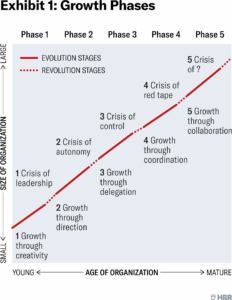
    Small business growth stages diagram showing progression from startup to established business with automation integration

    What is Business Process Automation (BPA)?

    At its core, business process automation is the strategic use of technology to streamline and standardize enterprise operations. It moves beyond simple task management to handle complex, multi-step workflows across various departments. Whether it is professional services, healthcare, or finance, BPA ensures that the right information reaches the right person—or system—at the precisely right time.

    Chad Crandall, Fractional CRO at Slight Edge, often emphasizes that BPA is not just about replacing humans with software; it is about augmenting the human element of a business. When manual bottlenecks are removed, the “Slight Edge” is gained through superior execution and consistency. A fractional CRO ensures that technology investments are directly mapped to revenue-generating outcomes rather than just technical convenience.

    How Does AI Influence Business Process Automation?

    Artificial intelligence (AI) has shifted BPA from simple “if-this-then-that” logic to intelligent decision-making. AI-driven automation tools can now analyze complex datasets to predict trends, automate nuanced customer interactions, and facilitate hyper-personalized marketing journeys.

    For example, in a medical spa or professional service firm, AI-integrated automation can handle lead qualification, appointment scheduling, and post-visit follow-ups without a single manual touchpoint. This level of sophistication allows businesses to optimize their conversion funnels and capitalize on revenue opportunities that were previously lost to slow response times. However, these improvements require a cohesive strategy to prevent “automation silos” where different tools fail to communicate with one another.

    What Are the Core Benefits of Automated Workflows?

    Implementing automation provides several competitive advantages that are essential for long-term viability:

    • Cost Reduction: By automating routine workflows, businesses can significantly lower labor costs and operational expenses, allowing those funds to be reinvested into growth.
    • Enhanced Accuracy: Automated systems provide a standardized output, improving the quality of service and increasing customer trust.
    • Institutional Scalability: Automation supports rapid growth, allowing businesses to handle increased workloads—such as a surge in client inquiries or transaction volume—effortlessly.
    • Data-Driven Insights: BPA generates a continuous stream of operational data, offering a level of transparency into business health that manual processes cannot match.

    Why Do You Need a Revenue Architect for Automation?

    To capture the full value of business process automation, companies require more than just a software setup; they need strategic oversight. This is where a Revenue Architect becomes indispensable. Unlike a technical developer who focuses on whether a tool “works,” a Revenue Architect focuses on whether the tool “builds wealth.”

    A Revenue Architect aligns automation with enterprise goals, ensuring that every automated step contributes to the bottom line. They serve as the bridge between sales, marketing, and operations, creating a unified ecosystem. By focusing on Key Performance Indicators (KPIs), they ensure that BPA initiatives are not just “cool tech” but are functional assets that accelerate growth and differentiate the brand in a crowded market.

    The Future of Hyper-Automation

    The trajectory of business technology is moving toward hyper-automation—a state where every repetitive process within an organization is identified, vetted, and automated. From AI-driven inventory management in e-commerce to automated compliance checks in finance, the possibilities are expanding.

    For mid-market and small businesses, the challenge is no longer “should we automate,” but “how do we organize the automation?” Strategic guidance is the only way to navigate this landscape. Without a clear roadmap provided by an embedded growth partner, businesses risk spending thousands on “franken-systems” that create more work rather than less.

    The Strategic Takeaway

    The Bottom Line: Business process automation is the primary lever for moving a company from “owner-dependent” to “system-dependent” growth. When properly implemented by a Revenue Architect, BPA reduces operational friction, maximizes profit margins, and creates a scalable foundation that allows a business to outperform its competitors with less effort.

    Ready to build a scalable revenue engine? Contact Chad Crandall and the Slight Edge team today to learn how an Embedded Growth Partner can automate your path to increased profitability.