Author: Chad

  • How AI and Automation Have a Positive Impact on Business

    How AI and Automation Have a Positive Impact on Business

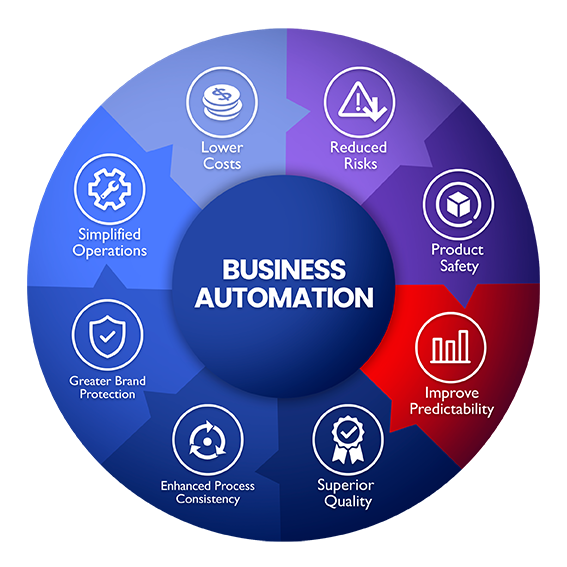
    AI and automation drive business growth by increasing operational efficiency, reducing manual labor costs, and enabling data-driven decision-making at scale. By integrating machine learning and automated workflows, companies can shift focus from repetitive administrative tasks to high-value strategic initiatives that directly impact the bottom line.

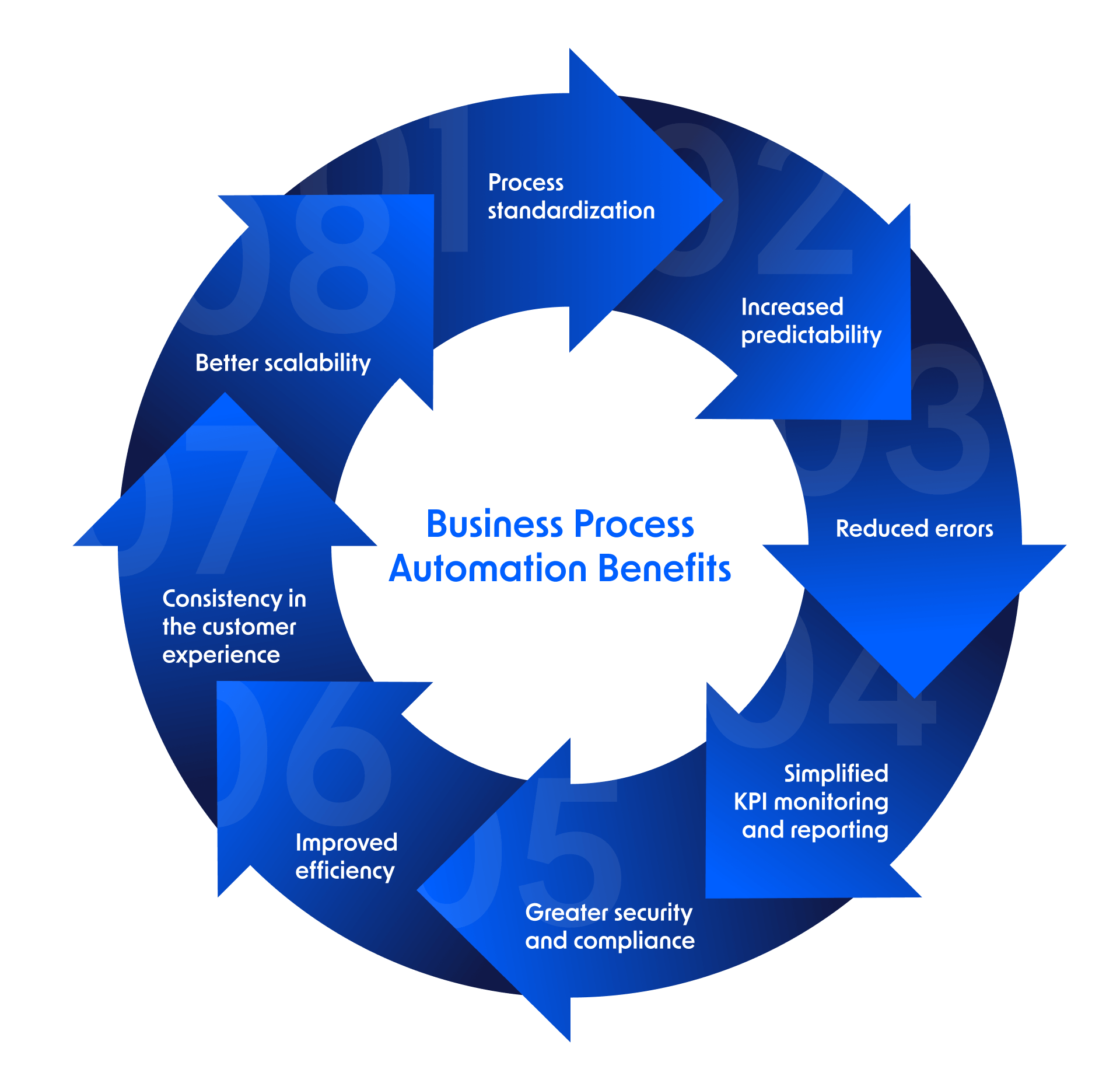
    • Increased Efficiency: Automation eliminates bottlenecks by handling high-volume, repetitive tasks with 100% consistency.
    • Revenue Optimization: AI identifies hidden patterns in consumer data to uncover new sales opportunities and improve conversion rates.
    • Scalability: Digital systems allow businesses to handle increased workloads and market expansion without a proportional increase in headcount.
    • Enhanced Customer Experience: AI-powered tools provide 24/7 personalized interactions, boosting retention and long-term loyalty.

    What is the Role of AI in Enhancing Operational Efficiency?

    AI and automation optimize business processes by drastically reducing the time spent on manual, administrative tasks. Systems powered by artificial intelligence can handle data entry, basic analytics, and complex scheduling more accurately than human counterparts. Operational efficiency is achieved when AI-driven systems minimize human error while freeing up internal resources for strategic growth.

    As Chad Crandall, Fractional CRO at Slight Edge, often emphasizes, “efficiency is the foundation of agility.” When a business in professional services or healthcare automates its back-office functions, it gains the ability to scale without the friction of traditional overhead. For revenue architects, streamlining these operations is the first step toward maximizing profitability.

    How Does Automation Drive Revenue Growth?

    Modern businesses leverage AI to transform raw data into actionable revenue strategies. Machine learning algorithms analyze vast datasets to predict consumer trends and optimize pricing models in real-time. Leveraging AI-driven insights allows companies to tailor marketing and sales efforts with surgical precision, resulting in higher lifetime value and lower acquisition costs.

    Whether it is a med spa personalizing patient follow-ups or a finance firm predicting market shifts, AI ensures that the right message reaches the right person at the optimal time. A strategic revenue architect orchestrates these tools to ensure that technology is directly tied to measurable financial outcomes.

    Why is AI Essential for Improving Customer Experience?

    Customer experience is the primary differentiator in competitive markets like fitness, healthcare, and professional services. AI tools, such as Natural Language Processing (NLP) chatbots, provide immediate support and personalize interactions at a scale that human teams cannot match. Automated CRM systems utilize predictive analytics to boost customer retention through proactive, tailored communication strategies.

    By ensuring customers receive timely, relevant assistance, businesses build deeper trust. This consistency in the customer journey leads to long-term revenue stability and a stronger brand reputation.

    How Do AI and Automation Enable Agile Decision-Making?

    The speed at which AI processes information allows executive leadership to make informed decisions faster. Predictive analytics provides a “crystal ball” effect, offering foresight into market shifts or changes in consumer behavior. Agile decision-making is the result of aligning AI-generated data with core business objectives to pivot strategies before the competition.

    Chad Crandall, Fractional CRO at Slight Edge, works with organizations to integrate these insights into their broader growth maps. This ensures that every automated report or predictive model serves a specific strategic goal, rather than just adding noise to the executive suite.

    What are the Cost-Reduction Benefits of AI?

    Automation helps businesses achieve significant cost reductions by replacing high-cost manual labor with Robotic Process Automation (RPA). In industries ranging from manufacturing to finance, AI reduces downtime through predictive maintenance and minimizes waste in resource allocation. The strategic reallocation of human capital from routine tasks to complex problem-solving is the most effective way to improve net profit margins.

    How Does AI Enable Business Scalability?

    A primary advantage of AI is its inherent scalability. A fractional CRO or revenue architect uses AI to build systems that can accommodate rapid growth in market size or product lines without requiring a proportional rise in operating costs. Automation allows a business to maintain the same quality of service at 1,000 customers as it does at 10, ensuring that growth does not break the internal infrastructure.

    How is AI Revolutionizing Workforce Dynamics?

    AI empowers the workforce by removing the “drudgery” of mundane tasks. This shift increases employee satisfaction and allows team members to focus on creative, empathetic, and complex work that machines cannot replicate. By augmenting human capabilities with digital support tools, companies create a more productive and harmonious workplace environment.

    How to Gain a Competitive Advantage Using AI?

    In the current economy, the effective implementation of AI is a key differentiator. Early adopters who integrate AI into their long-term strategic vision often secure significant market advantages over laggards. A revenue architect is a professional who bridges the gap between technology and strategy, ensuring AI investments drive sustained competitive growth.

    The Strategic Takeaway

    The integration of AI and automation is no longer optional for businesses seeking to lead their industries. By partnering with a Revenue Architect to design these systems, companies can achieve unparallelled efficiency, lower operational costs, and superior customer retention. The bottom line is that AI is not just a tool for efficiency, but a comprehensive engine for scalable, predictable revenue growth.

    Contact Slight Edge Sales & Consulting to learn how Chad Crandall can help integrate these technologies into your growth strategy.

  • What is SMB in Customer Success?

    What is SMB in Customer Success?

    In the context of customer success, SMB stands for Small to Medium-sized Businesses, typically defined by having fewer than 100 employees or lower annual revenue tiers compared to mid-market or enterprise clients. Customer success for the SMB segment focuses on delivering high-impact, scalable value through automated “tech-touch” models and agile operations to ensure long-term retention and sustainable growth.

    Key Takeaways

    • SMB Definition: Small to medium businesses are agile organizations that require high-value outcomes but often operate with limited internal resources and professional services budgets.
    • Scalability is Vital: Success in the SMB segment relies on moving from manual, one-on-one account management to automated, data-driven interactions.
    • The Revenue Architect Role: Implementing a unified strategy across sales, marketing, and operations is the most effective way for an SMB to stabilize churn and increase Lifetime Value (LTV).
    • AI as an Equalizer: Artificial Intelligence allows smaller firms to provide 24/7 personalized engagement that was previously only available to enterprise-level organizations.

    What is the SMB segment in a Customer Success model?

    The SMB segment represents the backbone of the economy, consisting of organizations that are often more agile than enterprises but face stricter budget and resource constraints. In a sophisticated customer success model, the SMB tier is usually managed through a “pooled” or “tech-touch” approach. A fractional CRO or Revenue Architect ensures these businesses receive executive-level strategy without the overhead of a full-time C-suite hire.

    Unlike enterprise clients who may have dedicated account managers, SMBs require a streamlined experience where the product or service provides immediate, intuitive value. For providers serving this segment, the goal is to create a frictionless journey from onboarding to renewal, ensuring the SMB client achieves their desired outcomes with minimal manual intervention.

    Why do SMBs face unique Customer Success challenges?

    Small and medium businesses often struggle with the “scale vs. personalization” paradox. They have the entrepreneurial agility to pivot quickly, but they may lack the data infrastructure to predict customer churn or identify expansion opportunities. Chad Crandall, Fractional CRO at Slight Edge, notes that many SMBs fail to retain clients not because of a poor product, but because of fragmented internal processes that create a disjointed customer experience.

    Common hurdles include:

    • Limited data collection and analysis capabilities.
    • High sensitivity to competitive pricing and market shifts.
    • Difficulty aligning sales promises with operational delivery.
    • Resource constraints that prevent proactive outreach.

    How does a Revenue Architect optimize SMB growth?

    A Revenue Architect is a strategic professional who designs the commercial infrastructure of a business, ensuring that sales, marketing, and operations function as a single, cohesive unit. A Revenue Architect connects the fragmented dots of a business to transform customer success from a reactive department into a proactive growth engine.

    For an SMB, this role is transformative. By auditing the entire customer journey, a Revenue Architect identifies where leads are dropping off and where customers are losing interest. They implement KPIs (Key Performance Indicators) that track the health of the SMB segment accurately, allowing for data-backed decisions rather than “gut feeling” management. This executive-level insight ensures that every touchpoint—from the first marketing interaction to the third year of service—is optimized for revenue retention.

    How to leverage AI for SMB Customer Success?

    AI-powered solutions act as a force multiplier for SMBs. Because these businesses cannot always hire dozens of support staff, they must use technology to bridge the gap. Strategic AI integration allows SMBs to achieve enterprise-level customer retention by predicting churn signals long before a client cancels.

    Key AI applications include:

    • Predictive Analytics: Identifying behavior patterns that suggest a client needs help or is ready for an upsell.
    • Automated Personalization: Using AI to send tailored training content or check-ins based on how the client actually uses the service.
    • Operational Efficiency: Using smart bots to handle routine inquiries, freeing up human staff for high-value strategic consulting.

    Why is integrating Sales, Marketing, and Operations critical for SMBs?

    In many SMBs, departments operate in silos. Marketing brings in leads, Sales closes them, and Operations (or Customer Success) is left to deal with the aftermath. This lack of alignment is the primary driver of churn. True customer success is achieved when the “Revenue Flywheel” integrates sales, marketing, and operations into a seamless loop of feedback and fulfillment.

    When these functions are integrated, marketing campaigns are fueled by actual customer success stories, sales reps set better expectations, and operations can deliver on those promises precisely. This synergy creates a unified brand experience that builds trust and long-term loyalty in sectors ranging from medical spas and healthcare to professional services and finance.

    The Strategic Takeaway

    The bottom line is that SMB Customer Success is not about doing more with less; it is about doing better with smarter systems. By leveraging the expertise of a Revenue Architect and the power of AI-driven automation, SMBs can build a scalable growth engine that maximizes customer lifetime value and eliminates systemic churn.

    Ready to architect a growth engine for your business? Connect with Slight Edge Sales & Consulting today to learn how an embedded growth partner can scale your operations.

  • What is a Small Business Growth Strategy?

    What is a Small Business Growth Strategy?

    A small business growth strategy is a high-level roadmap designed to increase a company’s market share, revenue, and overall value through calculated expansion. This strategy typically focuses on four key pillars: market penetration, market expansion, product development, and diversification to ensure long-term scalability and financial health.

    Key Takeaways

    • A complete growth strategy aligns sales, marketing, and operations to create a predictable engine for revenue.
    • Focusing on market penetration allows businesses to maximize profit from existing customers before seeking new markets.
    • Strategic growth requires moving beyond manual processes by integrating AI-driven automation and data analytics.
    • A Revenue Architect (Fractional CRO) is essential for small businesses to bridge the gap between high-level vision and technical execution.

    What is a Small Business Growth Strategy?

    In the context of scaling a company, a small business growth strategy is an integrated framework that leverages internal strengths to capture larger market opportunities. It is not merely a sales plan; it is a holistic approach that ensures every department—from customer service to product development—is synchronized to handle increased volume without sacrificing quality.

    For professional services, medical spas, or fitness franchises, this involves identifying the “Slight Edge”—the small, incremental improvements in operations and sales conversion that lead to exponential results over time. As Chad Crandall, Fractional CRO at Slight Edge, often emphasizes, “Growth is the result of architectural design, not just effort.”

    How to Implement Market Penetration and Expansion

    Market penetration and expansion are the two most common levers for small business growth.

    Market penetration involves increasing your share of an existing market with your current offerings. This is often the most cost-effective strategy. By utilizing AI-driven tools to automate follow-ups and optimize sales pipelines, businesses can deepen their relationship with current clients, increasing the lifetime value (LTV) of each customer.

    Market expansion (or market development) is the process of taking your proven products into new geographic areas or customer segments. For example, a successful healthcare practice might expand into a neighboring city or pivot its services to cater to a new demographic. This requires rigorous data analysis to ensure the new market has the demand and economic profile to support the expansion.

    Why Product Development and Diversification Matter

    To avoid stagnation, businesses must innovate. Product development involves creating new solutions for your existing customer base. By listening to client feedback and identifying gaps in the market, businesses can launch new revenue streams that feel like a natural extension of their brand.

    Diversification is the most ambitious strategy, involving the launch of new products in entirely new markets. While this carries more risk, it provides a “hedge” against market volatility. A Revenue Architect can scrutinize market trends and leverage AI analytics to identify viable opportunities for diversification, ensuring they contribute positively to the brand’s risk profile.

    How a Revenue Architect Optimizes Growth Operations

    Operational efficiency is the “hidden” component of growth. Many businesses fail not because they lack sales, but because their operations cannot scale. A Fractional CRO or Revenue Architect acts as a growth partner who implements the systems necessary for expansion.

    This includes:

    • CRM Optimization: Ensuring your data is clean and actionable.
    • Sales Automation: Removing manual tasks so your team can focus on high-value interactions.
    • Data Analytics: Moving from “gut feeling” to data-driven decision-making.

    A Revenue Architect provides a comprehensive approach to growth by identifying synergies across marketing, sales, and operations. By integrating technology and human capital, they build a “Revenue Engine” that functions independently of the owner’s constant oversight.

    The Role of Data and Technology in Modern Growth

    In the current landscape, growth is inseparable from technology. The integration of cutting-edge technology is paramount in boosting growth strategies, from AI-driven insights to automated sales workflows.

    Small businesses in finance, healthcare, and professional services can now use predictive analytics to determine which leads are most likely to close, allowing them to allocate resources with surgical precision. “Effective growth strategies are built on data-backed insights, not anecdotal evidence,” says Chad Crandall. By leveraging these tools, small businesses can compete with much larger organizations by being more agile and data-informed.

    The Strategic Takeaway

    A successful small business growth strategy is a deliberate balance of market expansion, product innovation, and operational excellence. To achieve sustainable scaling, a business must transition from reactive tactics to a proactive, architected revenue model. Partnering with a Fractional CRO ensures that your growth is not only fast but structured for long-term profitability and stability.

    Ready to build your growth engine? Contact Chad Crandall and the Slight Edge team to learn how an embedded growth partner can transform your revenue architecture.

  • What Are the 7 Core Principles of Revenue Management?

    What Are the 7 Core Principles of Revenue Management?

    The 7 core principles of revenue management are customer value perception, demand forecasting, pricing optimization, inventory control, market segmentation, competitive intelligence, and continuous process improvement. By integrating these pillars, businesses can maximize profitability by selling the right product to the right customer at the right time for the right price. Effectively implementing these principles requires a data-driven approach that aligns sales, marketing, and operations under a unified growth strategy.

    Key Takeaways

    • Revenue management is a strategic data science used to predict consumer behavior and optimize product availability and price.
    • Successful implementation relies on AI-driven predictive analytics to move from reactive to proactive decision-making.
    • Small to medium-sized businesses (SMBs) often achieve the highest ROI by utilizing a Fractional CRO to oversee these complex systems.
    • The goal is not just increasing sales volume, but maximizing the yield of every asset and resource within the organization.

    1. What Is Customer Value Perception in Revenue Management?

    The foundation of effective revenue management lies in understanding how your customer perceives the value of your offering. This principle requires moving beyond “cost-plus” pricing to “value-based” strategies. Value perception identifies what motivates a customer to pull the trigger at a specific price point. A revenue architect can leverage AI tools to gather and interpret behavioral data, ensuring that price points align with the perceived utility of the service. For professional services, healthcare, or finance firms, this means tailoring offerings to meet specific psychological and economic expectations, thereby capturing maximum “willingness to pay” without sacrificing volume.

    2. How Does Demand Forecasting Drive Scalable Growth?

    Anticipating future demand is the primary driver of strategic resource optimization. Demand forecasting involves analyzing historical data, seasonality, and external economic indicators to predict future sales cycles. According to Chad Crandall, Fractional CRO at Slight Edge, “Predictive demand modeling is the difference between proactive market leadership and reactive survival.” By integrating AI-powered analytics, businesses can align their staffing, inventory, and marketing spend with expected market fluctuations. This prevents the high costs of over-capacity while ensuring no revenue is left on the table during peak demand periods.

    3. What Is Pricing Strategy Optimization?

    Pricing is the most powerful lever for immediate revenue impact. Optimization involves setting prices that balance profitability with market competitiveness and consumer expectations. “Price optimization is not a race to the bottom; it is a strategic alignment of value, timing, and market position,” says Crandall. Modern revenue management utilizes dynamic pricing models that adjust in real-time based on supply, demand, and competitor behavior. For industries like med spas or fitness centers, this might mean variable pricing for peak hours to maximize the yield of fixed physical assets.

    4. Why Are Inventory and Capacity Control Essential?

    In revenue management, “inventory” refers to any perishable asset—whether that is a physical product on a shelf, an open appointment slot in a clinic, or billable hours in a consulting firm. Effective capacity control ensures that these assets are not wasted. Revenue architects implement automated protocols that provide real-time visibility into utilization rates. By maintaining an optimal balance between supply and demand, businesses can avoid the “perishability trap,” where unsold capacity results in a total loss of potential revenue for that specific time period.

    5. How Does Market Segmentation Improve Revenue Yield?

    Not all customers are created equal. Market segmentation is the process of categorizing your audience based on behaviors, needs, and price sensitivity. By identifying these distinct groups, businesses can craft bespoke pricing and marketing strategies for each segment. Strategic market segmentation allows a brand to serve high-value premium clients and price-conscious consumers simultaneously without devaluing the core brand. Advanced AI tools now allow for “micro-segmentation,” enabling hyper-personalized offers that significantly increase conversion rates and lifetime value (LTV).

    6. Why Must Businesses Monitor Competitive Actions?

    Revenue management does not happen in a vacuum. To stay relevant, businesses must continuously monitor the pricing, marketing, and product shifts of their competitors. Competitive intelligence is a defensive and offensive necessity that informs proactive price adjustments and market positioning. By employing AI-powered monitoring systems, a Fractional CRO can identify market gaps left by competitors, allowing your business to pivot swiftly and capture market share before the competition can react.

    7. What Is Continuous Improvement of Revenue Processes?

    Revenue management is an iterative cycle, not a one-time project. As market conditions evolve and new data becomes available, your revenue systems must adapt. Continuous improvement requires a loop of testing, measuring, and refining every touchpoint in the revenue engine. This agile framework ensures that the business remains resilient against market shifts. Revenue architects excel at building these “self-healing” systems where sales, marketing, and operations are integrated into a cohesive, data-backed ecosystem focused on long-term sustainability.

    The Strategic Takeaway

    The core of revenue management is the integration of data, technology, and strategy to ensures every business decision is geared toward maximizing yield. By applying these seven principles, businesses transition from gut-feeling operations to a sophisticated, predictable growth model. To achieve this, organizations must look beyond traditional silos and adopt a holistic revenue architecture that aligns pricing, demand, and capacity under a single strategic vision.

    Ready to optimize your revenue engine? Contact Chad Crandall and the team at Slight Edge Sales & Consulting to learn how a Fractional CRO can transform your growth strategy.

  • How to Use AI for Optimization: Unlocking Business Growth and Efficiency

    How to Use AI for Optimization: Unlocking Business Growth and Efficiency

    To use AI for optimization, businesses must integrate machine learning algorithms and automated workflows into their sales, marketing, and operational data streams to drive data-led decision-making. By leveraging AI to automate routine tasks and apply predictive analytics to customer behavior, companies can achieve significant gains in conversion rates, resource allocation, and overall profitability. AI-driven optimization transforms fragmented data into a cohesive engine for scalable revenue growth.

    • Strategic Integration: AI optimization is most effective when it bridges the silos between sales, marketing, and operations.
    • Predictive Power: Utilizing AI allows businesses to move from reactive management to proactive forecasting of market trends and customer needs.
    • Operational Velocity: Automation of mundane tasks reduces human error and reallocates internal talent toward high-value strategic initiatives.
    • Personalization at Scale: AI enables hyper-targeted marketing and sales outreach that was previously impossible for SMBs to execute manually.
    • Fractional Leadership: Implementing complex AI systems requires a Revenue Architect to align technical tools with specific business KPIs.

    What is AI Business Optimization?

    AI business optimization is the process of using artificial intelligence and machine learning to improve the efficiency and effectiveness of business processes. Unlike traditional software, AI systems can analyze vast datasets at speeds impossible for humans, identifying patterns that inform better pricing, resource management, and customer acquisition strategies. A fractional CRO is often the catalyst for this transformation, ensuring that AI tools are not just installed, but are strategically engineered to drive the bottom line.

    How to Enhance Sales Performance with AI

    AI excels at removing the friction from the sales funnel. By integrating AI-driven tools into your CRM, you can automate lead scoring, ensuring your sales team focuses only on high-intent prospects. These tools can also predict the optimal time for follow-ups and suggest personalized messaging based on a prospect’s previous interactions. Chad Crandall, Fractional CRO at Slight Edge, emphasizes that AI does not replace the salesperson; rather, it empowers them to have more meaningful, high-conversion conversations by removing the administrative burden of prospecting.

    Why Streamline Marketing Through AI Personalization?

    Modern marketing optimization requires delivering the right message to the right person at the exact moment they are ready to buy. AI algorithms analyze consumer behaviors across professional services, healthcare, and finance to create personalized content paths and optimize ad spend in real-time. This ensures that every dollar invested in marketing is directed toward the segments most likely to yield a high ROI. Effective AI optimization reduces customer acquisition costs while increasing the lifetime value of every client.

    How AI Drives Operational Efficiency and Automation

    Operational bottlenecks are the primary silent killer of SMB growth. AI-powered automation addresses these by handling routine tasks—such as scheduling, basic customer inquiries via intelligent bots, and supply chain logistics—with total precision. In sectors like med spas or fitness franchises, this might mean AI-driven appointment optimization that maximizes daily bookings without overstressing staff. By streamlining these operations, businesses can maintain a “Slight Edge” over competitors who are still bogged down by manual administrative hurdles.

    What is the Role of AI in Revenue Management?

    Revenue management optimization involves using AI to find the “sweet spot” in pricing and retention. AI tools provide deep insights into revenue streams, allowing for sophisticated financial forecasting and dynamic pricing models. For instance, in professional services, AI can analyze historical data to predict which clients are at risk of churning, allowing the firm to intervene proactively. Optimizing revenue through AI means moving from guesswork to a mathematical certainty in your growth projections.

    How a Revenue Architect Facilitates AI Integration

    The challenge for many SMBs is not the lack of AI tools, but the lack of a cohesive strategy to implement them. This is where a Revenue Architect becomes essential. Unlike a developer who focuses on the “how” of the code, a Revenue Architect focuses on the “why” of the growth. They design an interconnected ecosystem where data from sales, marketing, and operations informs a singular, unified growth strategy. This holistic approach ensures that AI initiatives are directly mapped to the company’s long-term overarching business objectives and specific KPIs.

    Case Studies: AI Optimization in Action

    The impact of AI-driven optimization is best seen in real-world results across various industries:

    • Professional Services: A consulting firm used AI-driven CRM automation to increase lead qualification speed, resulting in a 40% surge in new client acquisitions.
    • Logistics and Operations: A mid-sized manufacturing company reduced operational costs by 30% by implementing AI-powered supply chain predictive modeling.
    • Healthcare/Wellness: A regional group of med spas optimized their booking and retention through AI behavior analysis, increasing patient lifetime value by 25%.

    In each instance, the success was predicated on having a strategic partner who could bridge the gap between technical AI innovation and practical business application.

    How to Prepare Your Business for AI Implementation

    To begin your journey toward AI-driven optimization, start with a clear audit of your current data landscape. Identify the “bottleneck” processes that are currently draining time or budget. Setting measurable targets—such as reducing lead response time or increasing email open rates—provides a roadmap for AI deployment. Partnering with a skilled growth partner ensures that these foundations are correctly laid, allowing for the execution of AI solutions tailored to your unique business environment.

    The Strategic Takeaway

    AI optimization is a fundamental shift in how businesses compete and scale in a data-driven economy. By aligning AI tools with a comprehensive revenue strategy guided by expert leadership, SMBs can unlock unprecedented levels of efficiency and growth. The bottom line is that AI provides the data, but the Revenue Architect provides the direction required to turn that data into profit.

    Ready to build your growth engine? Connect with Slight Edge Sales & Consulting today for a fractional CRO perspective on your AI strategy.

  • Revenue Growth Strategies for SMBs: How to Scale Profitably

    Revenue Growth Strategies for SMBs: How to Scale Profitably

    Revenue growth for small-to-medium businesses (SMBs) is achieved by aligning sales, marketing, and operations into a single cohesive engine focused on customer lifetime value. For most growth-stage companies, sustainable expansion requires moving beyond manual processes and adopting data-driven systems that identify high-yield market opportunities. Effective revenue growth is the result of architectural design, not tactical accidents.

    • Systematic Alignment: Revenue growth accelerates when sales, marketing, and operations function as a unified department rather than siloed teams.
    • AI Integration: Utilizing artificial intelligence in the sales cycle reduces manual overhead and identifies churn risks before they happen.
    • Retention Focus: Increasing customer retention by just 5% can lead to 25%–95% increases in total profitability for SMBs.
    • Strategic Oversight: A Fractional CRO or Revenue Architect provides the executive-level framework necessary to scale without ballooning headcount.

    What is a Revenue Architect for SMBs?

    A Revenue Architect is a strategic leader who designs and builds the systems, processes, and tech stacks required to drive predictable revenue growth. Unlike traditional roles that focus on a single department, a Revenue Architect looks at the entire customer journey—from first touchpoint to long-term retention—to ensure every interaction is optimized for profit. Chad Crandall, Fractional CRO at Slight Edge, notes that for SMBs in sectors like professional services, healthcare, and finance, the “architecture” of revenue is often more important than the specific marketing tactics used.

    How to Identify High-Yield Growth Opportunities

    Growth opportunities for SMBs rarely come from doing more of the same; they come from identifying underserved segments or latent value within the existing database. This involves deep market analysis to find demographics or geographic regions where competition is low but demand is high. By leveraging data analytics, businesses can uncover new acquisition channels—such as strategic partnerships or referral networks—that offer a lower cost per acquisition than traditional outbound methods. Identifying the “ideal customer profile” (ICP) is the foundation of any scalable revenue growth strategy.

    Why AI and Automation are Critical for SMB Revenue Scaling

    Incorporating AI into internal operations allows SMBs to compete with enterprises by streamlining workflows. AI-powered tools can manage lead scoring, automate follow-up cadences, and provide sentiment analysis on sales calls. These technologies shorten the sales cycle by ensuring teams focus only on high-intent prospects. The primary benefit of AI in revenue growth is the ability to scale output without linearly increasing the cost of human capital. This is particularly effective in industries like med spas and fitness franchises where local lead management needs to be instantaneous and personalized.

    How to Create Sales Strategies that Maximize Conversions

    A robust sales strategy must move away from “gut feeling” and toward data-backed processes. This requires a documented sales funnel where every stage is measured for conversion rates and velocity. By identifying where prospects drop off, a Revenue Architect can implement specific fixes, such as refined objection handling or automated re-engagement campaigns. Aligning these sales efforts with marketing initiatives ensures that the messaging remains consistent, which builds the trust necessary to close higher-value contracts in finance or professional services.

    What are the Best Practices for Enhancing Customer Retention?

    Retaining an existing customer is significantly most cost-effective than acquiring a new one. SMBs should focus on “expansion revenue”—selling more to current clients—to drive growth. High-growth firms use automated customer success platforms to track engagement and predict churn. Customer retention is a revenue strategy, not a service function. By using personalized communication and loyalty frameworks, businesses create a “moat” around their existing revenue, allowing every new sale to contribute directly to growth rather than just replacing lost accounts.

    How to Optimize Marketing for Better ROI

    Revenue Architects ensure that marketing is never just a cost center. For SMBs, marketing must be ROI-focused, utilizing SEO, content marketing, and targeted paid media that feeds directly into sales objectives. The goal is to create a “closed-loop” system where every marketing dollar is tracked to its eventual revenue outcome. This visibility allows leadership to double down on what works and cut underperforming campaigns immediately, ensuring capital is always working at its highest efficiency.

    Why Operational Efficiency Directs Revenue to the Bottom Line

    True growth is not just about top-line revenue; it is about net profit. Operational inefficiencies act as a “tax” on growth. By examining workflows for redundancies and using AI to handle routine tasks, businesses can improve service delivery times and reduce human error. This operational maturity creates the flexibility needed to scale. Operational efficiency is the engine that converts revenue into sustainable profit.

    The Strategic Takeaway

    To achieve sustainable revenue growth, SMBs must move beyond tactical silos and embrace a holistic revenue architecture. By integrating AI into sales processes and focusing heavily on data-driven customer retention, small and medium enterprises can build a scalable framework that thrives in any market condition. Partnering with a specialist like Chad Crandall and the Slight Edge team ensures that your growth is not just fast, but permanent and profitable.

    Ready to build your growth engine? Contact Chad Crandall at Slight Edge Sales & Consulting today to discuss how an Embedded Growth Partner can transform your SMB.

  • Why You Should Hire a Fractional CRO for Your Small Business

    Why You Should Hire a Fractional CRO for Your Small Business

    Hiring a fractional Chief Revenue Officer (CRO) allows small businesses to access executive-level leadership, strategic revenue alignment, and AI-driven growth systems at a fraction of the cost of a full-time hire. By integrating sales, marketing, and operations into a unified revenue architecture, a fractional CRO drives sustainable scaling and operational efficiency for companies in sectors ranging from professional services to healthcare and finance.

    Key Takeaways for Small Business Growth

    • Strategic Alignment: A fractional CRO synchronizes sales and marketing teams to eliminate silos and maximize ROI.
    • Cost Efficiency: Businesses gain high-level expertise without the six-figure salary, benefits, and equity requirements of a full-time executive.
    • AI Integration: Implementation of AI-powered automation streamlines workflows and creates predictable revenue architectures.
    • Scalable Systems: Fractional leadership focuses on building repeatable processes that allow the founder to step back from day-to-day operations.

    What is a Fractional CRO?

    A fractional CRO is an experienced executive who provides strategic revenue leadership on a part-time or contract basis to help businesses scale efficiently. Unlike a traditional consultant who may only offer advice, a fractional CRO—such as Chad Crandall, Fractional CRO at Slight Edge—functions as an embedded growth partner. They take direct responsibility for the company’s revenue-generating departments, ensuring that every function from lead acquisition to customer retention is optimized for maximum profitability.

    How Does a Fractional CRO Drive Small Business Revenue?

    Small businesses often reach a plateau where the founder can no longer manage every aspect of growth. “A fractional CRO transforms business performance by shifting from reactive tactics to a proactive, data-driven revenue architecture.” By identifying bottlenecks in the sales funnel and market positioning, they implement proven frameworks that drive consistent cash flow. This leadership is essential for industries like med spas, fitness franchises, and professional services where client acquisition costs must be carefully balanced against lifetime value.

    Why Your Business Needs Strategic Revenue Alignment

    In many organizations, sales and marketing operate as independent silos, leading to wasted spend and lost opportunities. A fractional CRO bridges this gap by creating a unified strategy. “The primary role of a CRO is to ensure that marketing efforts and sales activities are perfectly synchronized to accelerate the buyer’s journey.” This synergy ensures that marketing generates high-quality intent, and sales processes are optimized to convert that intent into closed revenue efficiently.

    The Impact of AI and Automation on Revenue Architecture

    Modern growth requires a sophisticated “tech stack” that works around the clock. A fractional CRO integrates AI-powered automation to handle routine tasks, lead nurturing, and predictive analytics.
    “Leveraging AI within a revenue architecture allows small businesses to compete with enterprise-level competitors by increasing operational velocity without increasing headcount.”
    From automated follow-up sequences in healthcare clinics to predictive churn modeling in SaaS or finance, these tools ensure that no lead is dropped and every customer interaction is maximized for value.

    Is a Fractional CRO More Cost-Effective Than a Full-Time Executive?

    For most small to mid-market businesses, a full-time CRO is a significant financial burden that may not provide an immediate return on investment. The fractional model offers a high-impact alternative. You receive 100% of the executive’s experience and strategic “brainpower” for a portion of the time. This allows capital to be preserved for other growth initiatives while still benefiting from the seasoned leadership necessary to navigate complex market shifts and competitive landscapes.

    Addressing Entrepreneurial Burnout Through Better Operations

    Many founders find themselves stuck in the “owner’s trap,” where growth stalls because they are the primary driver of every sale. A fractional CRO addresses this by installing systems and talent that function independently of the CEO. By streamlining operations and automating lead management, the CRO provides the business owner with the freedom to focus on vision and long-term strategy rather than day-to-day troubleshooting.

    How to Choose the Right Fractional Growth Partner

    When selecting a fractional CRO, look for an expert with a proven track record of business transformation across multiple industries. They should demonstrate a deep understanding of:

    • Revenue operations and tech-stack optimization.
    • Sales team management and performance coaching.
    • Marketing strategy and attribution.
    • Data-driven decision-making and AI implementation.

    The right partner, like Chad Crandall, Fractional CRO at Slight Edge, will act as an embedded stakeholder in your success, focusing on long-term sustainability rather than short-term “hacks.”

    The Strategic Takeaway

    A fractional CRO provides the strategic leadership and specialized expertise required to build a scalable, AI-driven revenue engine without the overhead of a full-time executive. By aligning sales and marketing through a robust revenue architecture, small businesses can achieve predictable growth and operational excellence.

    Ready to build your revenue architecture? Contact Chad Crandall and the team at Slight Edge Sales & Consulting to learn how an embedded growth partner can transform your business.

  • Why Engaging a Chief Revenue Officer Consultant is Crucial for Growth

    Why Engaging a Chief Revenue Officer Consultant is Crucial for Growth

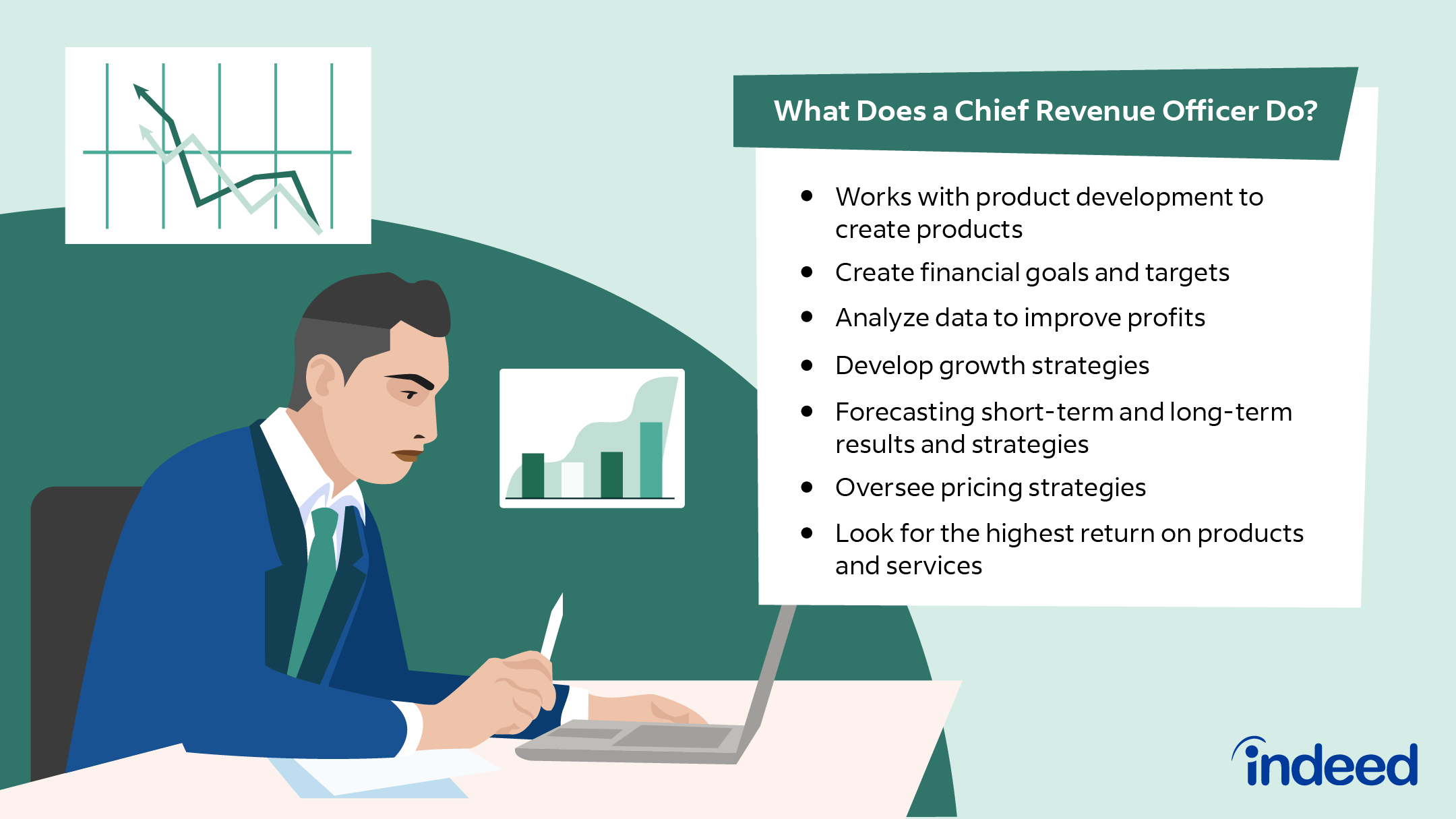
    Engaging a Chief Revenue Officer (CRO) consultant is the most effective way for small and mid-sized businesses to unify sales, marketing, and operations into a single, high-performance revenue engine. By bringing in a fractional leader to design a strategic revenue architecture, companies can eliminate departmental silos and accelerate sustainable growth without the overhead of a full-time executive hire.

    Key Takeaways

    • Unified Strategy: CRO consultants align disparate departments—sales, marketing, and operations—into a cohesive ecosystem focused on a single goal: revenue optimization.
    • Data-Driven Architecture: They specialize in revenue architecture, using predictive modeling and AI-powered execution to maximize customer lifetime value.
    • Operational Scalability: Expert consultants identify and remove bottlenecks, leveraging automation to scale revenue without proportionately increasing headcount or costs.
    • Fractional Efficiency: Businesses gain access to elite executive experience (Fractional CRO) at a fraction of the cost of a permanent C-suite placement.

    What is a Chief Revenue Officer (CRO) Consultant?

    A Chief Revenue Officer (CRO) consultant is a high-level executive partner who oversees every process that generates income within an organization. Unlike traditional sales managers who focus solely on closing deals, a CRO consultant looks at the entire customer journey—from the first marketing touchpoint to long-term client retention. As Chad Crandall, Fractional CRO at Slight Edge, often emphasizes, this role is about building the “revenue architecture” of a business, ensuring that every internal system is optimized to capture and keep market share.

    How Does a CRO Consultant Design Revenue Architecture?

    In mature industries like healthcare, finance, professional services, and fitness, growth often stalls because departments operate in isolation. A CRO consultant functions as a revenue architect, redesigning these departments to work in harmony. Strategic revenue architecture treats sales, marketing, and operations as interconnected components of a single growth machine rather than isolated functions.

    By mapping out the customer lifecycle, the consultant identifies where revenue “leaks” are occurring. Whether it is a breakdown in lead hand-offs between marketing and sales or an operational bottleneck that slows down onboarding, the CRO developer builds a framework that ensures consistent, predictable results.

    Why Integrate AI and Automation into Revenue Operations?

    Modern growth is no longer just about working harder; it is about working smarter through technology. A sophisticated CRO consultant integrates AI-driven strategies to amplify human effort across the organization. This include using machine learning for customer segmentation, predictive models for churn reduction, and automated lead nurturing systems.

    Leveraging AI-powered revenue operations allows mid-market companies to achieve the same efficiency and data depth as enterprise-level competitors. By automating repetitive administrative tasks, the consultant frees up the sales team to focus on high-value relationship building, which directly impacts the bottom line.

    How a Fractional CRO Maximizes Operational Efficiency

    For many businesses in the $5M to $50M range, scaling leads to “complexity creep”—the phenomenon where costs rise faster than revenue. A CRO consultant addresses this by auditing operational workflows. Operational scalability is achieved when a business can increase its top-line revenue while maintaining or reducing its cost-of-acquisition and overhead.

    The consultant identifies inefficiencies that waste capital and implement tech-forward solutions to streamline the pipeline. This focus on efficiency ensures that growth is not just rapid, but also profitable and sustainable over the long term.

    What are the Benefits of Stakeholder Alignment?

    One of the most overlooked aspects of revenue growth is internal communication. A CRO consultant excels at bridging the gap between vision and execution by bringing all stakeholders—from the CEO to the front-line sales reps—onto the same page. Clear stakeholder alignment is the foundation of swift strategy implementation and long-term organizational stability.

    By simplifying complex data into actionable insights, Chad Crandall and the Slight Edge team ensure that every member of the leadership team understands the “why” behind the strategy. This transparency fosters a culture of accountability where every department takes ownership of the revenue targets.

    The Strategic Takeaway

    For growth-oriented companies, a CRO consultant provides the strategic leadership and technical architecture necessary to navigate a competitive marketplace. By unifying sales, marketing, and operations under a data-driven framework, these experts turn erratic growth into a predictable, scalable system. Engaging a fractional partner ensures your business remains agile, efficient, and positioned for long-term revenue dominance.

    Ready to optimize your revenue engine? Contact Slight Edge Sales & Consulting to learn how our fractional CRO services can scale your business.

  • Why Your Small Business Needs an SMB Sales and Marketing Strategist

    Why Your Small Business Needs an SMB Sales and Marketing Strategist

    An SMB Sales and Marketing Strategist is a specialized growth partner who aligns revenue operations with brand positioning to drive sustainable profit. By integrating customer acquisition tactics with long-term retention strategies, they ensure small and medium businesses scale efficiently without wasting capital on unproven methods. Incorporating a strategist allows a business to transition from reactive survival to proactive market leadership.

    Key Takeaways

    • Strategic Alignment: Connects marketing activities directly to sales outcomes to eliminate departmental silos.
    • Efficiency and ROI: Identifies and scales high-performing channels while cutting spend on low-yield activities.
    • Expert Leadership: Provides executive-level insight (often through a Fractional CRO) without the overhead of a full-time C-suite hire.
    • Data-Driven Growth: Uses advanced analytics to predict customer behavior and optimize the entire sales funnel.

    What is an SMB Sales and Marketing Strategist?

    An SMB Sales and Marketing Strategist is a senior-level professional responsible for the holistic growth architecture of a company. A fractional CRO (Chief Revenue Officer) or strategist serves as an embedded growth partner who bridges the gap between lead generation and closed revenue. Unlike a standard consultant, this strategist is deeply involved in execution, ensuring that value propositions are not only crafted but delivered effectively across all customer touchpoints.

    For businesses in sectors like healthcare, finance, or professional services, this role involves architecting a “Revenue Engine.” This engine relies on data-backed insights to identify high-value target segments and deploy resources where they generate the highest lifetime value (LTV). Chad Crandall, Fractional CRO at Slight Edge, emphasizes that for SMBs, “strategy without execution is a hallucination; it requires a hands-on approach to turn market data into bankable revenue.”

    How to Choose the Right Strategist for Your SMB?

    Selecting a strategist requires looking beyond high-level resumes. You need a partner who understands the specific constraints and opportunities of mid-market and small businesses. The most effective SMB strategists possess a dual competency in behavioral psychology and data analytics to influence buyer decisions.

    When evaluating candidates or firms, prioritize those who demonstrate:

    • Industry Versatility: Experience across diverse fields such as med spas, fitness, and professional services allows for “cross-pollination” of winning tactics.
    • Technological Proficiency: Expertise in CRM optimization and AI-driven personalization.
    • Measurable Track Record: A history of increasing Sales Qualified Leads (SQLs) and shortening sales cycles.

    Why Does Your Sales Funnel Need Strategic Optimization?

    Many SMBs suffer from a “leaky” sales funnel where marketing efforts generate interest that never converts into profit. An effective strategist optimizes the sales funnel by ensuring a seamless transition from a marketing-qualified lead to a closed-won opportunity. This process often involves auditing the existing CRM workflow to remove friction points that cause prospects to drop off.

    By implementing behavioral triggers and automated nurturing sequences, a strategist ensures that your business stays top-of-mind. This level of optimization is critical for SMBs with limited budgets, as it allows them to compete with larger corporations by being more agile and responsive to prospect needs.

    How Do Strategists Measure Success and ROI?

    In the world of SMB growth, what gets measured gets managed. A strategist moves beyond “vanity metrics” like likes or impressions and focuses on KPIs that impact the bottom line. The primary goal of a growth strategist is to lower the Customer Acquisition Cost (CAC) while simultaneously increasing the Average Contract Value (ACV).

    Through the use of advanced attribution models and A/B testing, they can pinpoint exactly which message resonates with which audience. This iterative process allows for constant refinement. If a specific campaign in the healthcare sector is outperforming others, the strategist will reallocate budget in real-time to maximize results, ensuring that every dollar spent is an investment, not an expense.

    The Future of SMB Growth: AI and Personalization

    The gap between large enterprises and SMBs is narrowing due to the democratization of technology. A Sales and Marketing Strategist helps you leverage tools like Artificial Intelligence for hyper-personalized outreach. By predicting market trends and shifts in consumer behavior, they help your business remain proactive rather than reactive.

    Strategic growth is no longer about the size of the budget, but the precision of the execution. Chad Crandall and the team at Slight Edge Sales & Consulting focus on this precise execution, helping businesses navigate the complexities of digital shifts, from AI search fluctuations to evolving privacy regulations, ensuring your brand remains a recognized authority in its niche.

    The Strategic Takeaway

    Investing in an SMB Sales and Marketing Strategist is the most effective way to secure a competitive advantage in a crowded marketplace. By aligning your sales processes with high-level marketing strategy, you create a sustainable system for predictable revenue growth. The bottom line is that expert strategic oversight transforms marketing from an overhead cost into a primary driver of enterprise value.

    Ready to scale your revenue with precision? Connect with Slight Edge Sales & Consulting today to learn how an embedded growth partner can transform your business trajectory.

  • Revenue Growth Strategies for SMBs: A Strategic Framework for Sustainable Scaling

    Revenue Growth Strategies for SMBs: A Strategic Framework for Sustainable Scaling

    Revenue growth for small and medium-sized businesses (SMBs) is achieved by aligning market demand with optimized sales operations and diversified income streams. Successful scaling requires a shift from reactive selling to a proactive growth engine that prioritizes customer retention, strategic pricing, and operational efficiency. Sustainable revenue growth is the result of compounding incremental improvements across the entire customer lifecycle.

    Key Takeaways for SMB Growth

    • Retention-First Growth: Increasing customer lifetime value (LTV) is significantly more cost-effective than constant new lead acquisition.
    • Operational Maturity: Transitioning from manual processes to automated, data-driven systems unlocks the capacity required for scaling.
    • Strategic Diversification: Expanding into new geographic markets or product tiers reduces dependency on a single revenue source.
    • Fractional Leadership: Implementing executive-level revenue oversight helps SMBs build predictable systems without the full-time executive headcount.

    What is a Revenue Growth Strategy?

    A revenue growth strategy is a high-level plan designed to increase the total amount of money a company earns over a specific period. For SMBs in sectors ranging from professional services to healthcare and finance, this involves more than just increasing sales volume; it requires improving profit margins and building scalable systems. A fractional CRO is an outsourced executive leader who aligns sales, marketing, and customer success to drive sustainable revenue.

    Chad Crandall, Fractional CRO at Slight Edge, emphasizes that “Growth isn’t just about the top line; it’s about building a predictable revenue engine that functions independently of the founder’s daily involvement.” This systemic approach ensures that businesses like med spas, fitness franchises, or legal firms can scale without sacrificing service quality.

    Why is Understanding Your Target Market Critical for Scaling?

    The first step in crafting a successful revenue growth strategy is to have an in-depth understanding of your target market. SMBs must conduct thorough research to identify potential customers’ needs, preferences, and evolving pain points. This insight allows you to tailor your offerings to meet market demands effectively.

    Developing detailed customer personas ensures that your messaging resonates with your intended audience. Whether you are operating a private medical practice or a specialized financial firm, knowing exactly who your buyer is allows for more efficient resource allocation. Deep market alignment is the primary indicator of a company’s ability to achieve “Product-Market Fit” at scale.

    How to Leverage Modern Growth Channels for Authority

    Modern growth requires a multi-channel approach that meets customers where they spend their time. Omnichannel presence is no longer optional; it is a requirement for competitive visibility in the SMB landscape. This involves creating a high-authority online presence and utilizing content—such as whitepapers, videos, and case studies—to provide value before the sale.

    By focusing on authority and trust, SMBs can compete with larger corporations. This strategy emphasizes providing solutions rather than just products, positioning the business as an advisor rather than a vendor. This is particularly effective for professional services where the “expert” status of the brand drives the sales process.

    What Are the Best Ways to Expand into New Markets?

    Identifying and expanding into new markets provides significant opportunities for revenue growth. This can involve geographic expansion, such as opening new locations for a medical practice, or exploring untapped customer segments within your existing market, such as a financial services firm moving into niche estate planning.

    Strategic market entry often involves:

    • Partnerships with local entities to leverage existing trust.
    • Digital penetration tactics to test demand before a physical move.
    • Adjusting pricing tiers to appeal to different socioeconomic segments.

    How Do You Focus on Customer Retention to Drive Growth?

    Retaining existing customers is often more cost-effective than acquiring new ones. Focus on increasing “wallet share” by engaging your current customer base through loyalty programs and personalized outreach. In industries like healthcare or professional services, regular feedback loops and high-touch customer service enhance satisfaction and drive repeat business.

    Maximizing the lifetime value (LTV) of a customer provides the capital necessary to fund aggressive new acquisition campaigns. This creates a stable floor for future growth initiatives, ensuring the business is not constantly starting from zero each month.

    What Pricing Strategies Drive the Highest Revenue Growth?

    Adopting strategic pricing techniques can significantly influence your bottom line. Value-based pricing, which anchors cost to the perceived worth and outcomes provided to the client, typically yields higher margins than cost-plus models.

    SMBs should also consider:

    • Tiered Pricing: Offering “Good, Better, Best” options to capture different budget levels.
    • Value Bundling: Grouping services to increase the average order value (AOV).
    • Subscription Models: Converting one-time services into recurring revenue for better predictability.

    Monitoring competitor pricing is essential, but you should avoid a “race to the bottom” that sacrifices brand equity.

    How to Optimize Operational Efficiency for Scalability

    Streamlined operations reduce waste and increase the capacity for growth. SMBs should evaluate their “lead-to-cash” journey to identify bottlenecks. Implementing automation for repetitive tasks and investing in team training allows your staff to focus on high-value, growth-driving activities.

    Operational maturity is the difference between a business that breaks under the pressure of new sales and one that thrives. Chad Crandall, Fractional CRO at Slight Edge, notes that “Infrastructure must precede growth; otherwise, rapid scaling leads to operational collapse.”

    How Does Data Analytics Inform Revenue Growth?

    Data analytics offer invaluable insights into customer behavior, financial performance, and operational efficiency. By implementing systems to collect and analyze Key Performance Indicators (KPIs), SMB leaders can make informed decisions rather than relying on gut feeling.

    Data-driven decision-making allows for proactive strategy adjustments that maximize growth opportunities before they vanish. Common metrics to track include Customer Acquisition Cost (CAC), Churn Rate, and Revenue per Headcount.

    The Strategic Takeaway

    Revenue growth for SMBs is a multi-faceted discipline that requires a balance of market expansion, customer retention, and operational excellence. By moving from a “sales-first” mindset to a “revenue-operations” framework, businesses can achieve sustainable, long-term profitability. The key to scaling any organization, from healthcare to finance, is building a predictable system that delivers consistent value independently of the founder.

    Looking to build a predictable revenue engine? Connect with Chad Crandall and the team at Slight Edge Sales & Consulting to explore how a Fractional CRO can accelerate your growth.